
Microchip to check on patients’ compliance with TB meds

Imagine a doctor or nurse could log in to an application on their phone to check if one of their patients has taken their tuberculosis (TB) medication that day, or any day for that matter?

Imagine all it requires is a microchip the size of a few grains of sand, a skin patch and a Bluetooth-enabled cell-phone?

Paperless access

According to preliminary research announced at the Union World Conference on Lung Health, held in Mexico this week, this could soon be a reality.

The easy-to-use United States Federal Drug Authority-approved technology works by inserting a microchip into the anti-TB drugs that is able to measure the levels of the drug in a person’s system in near real-time allowing health workers paperless access to their patient’s drug-taking behaviour. The chip is the size of a few grains of sand and is easily inserted into any medication.

A small skin path on the patient’s torso transmits the chip’s data to internet-based servers where both patients and clinicians can see when and how much medication a patient has taken – or has not.

It is a tool that is greatly needed because TB is notoriously difficult to monitor for treatment adherence. The current “gold standard”, and the method recommended by the World Health Organisation, is called directly observed therapy (DOT). This is when a health worker observes a patient taking their medication every day which often is a great inconvenience to patients who have to travel to health facilities daily for months.

“In the United States health workers drive to you, your home or your workplace for DOT and it still does not work well,” Dr Sara Browne, lead researcher for the study, told Health-e News.

They wanted to know if this technology had the potential to improve adherence rates – which are often dismally low. But they first had to establish that the technology actually detected the medication accurately and if it confirmed more doses than DOT.

Risk of drug resistance

The study found that the detection accuracy was close to 100% and that the method confirmed 54% more doses that DOT because all doses were electronically recorded while DOT confirmations often don’t happen over weekends or on public holidays and are documented manually.

Browne said that patients often find it difficult to adhere to long treatment regimes that often come with side effects.

Ordinary TB takes six months of treatment with multiple medicines, and drug-resistant TB can take over two years to treat with toxic drugs. But if patients don’t take their medication as prescribed they risk developing drug-resistance or further drug-resistance – limiting their treatment options significantly and increasing their chances of death.

The new technology named WOT (wirelessly observed therapy) “has the potential to revolutionise TB care” because a health worker can quickly, easily and conveniently access a spreadsheet that clearly indicates when a patient is not adhering to their medication.

“A nurse can then for example call the patient and ask why they haven’t taken their medication that day,” said Browne.

The results are preliminary and need to be confirmed in other settings. South Africa is being considered as one of the settings for the next phase of the trial.

At what cost?

“We need to know how this technology works in low and middle income countries and adapt it to different contexts,” said Browne.

Although the cost of the technology is currently not known, as the company who produces is has donated it for research purposes, Browne said it is not expected to be expensive. She said there is an economic analysis currently underway to find out at what cost the technology will be feasible to low and middle income countries.

According to Browne, and others, DOT is “resource-intensive, inconvenient, intrusive, difficult to administer” and is simply “unfeasible”.

According to Dr Yogan Pillay, from the South African Department of Health, although DOT is an official policy “it is not monitored carefully”. “Many people find DOT disempowering,” he said.

Browne said often nurses dispense medication without watching a patient take it – an obstacle that wouldn’t exist with WOT. She said more results are likely to be presented early next year.

“If the second phase of our trial is successful and we can access the technology affordably this could truly be transformative for TB control.” – Health-e News.

http://www.health24.com/


Tenaga Kesehatan Wajib Punya STR

TARAKAN – Tenaga kesehatan di Bumi Paguntaka harus memiliki sertifikasi profesi, sebagai jaminan mutu dan standarisasi komepetensi pada program Diploma III Kebidanan, Diploma III Keperawatan dan Profesi Ners yang akan bekerja di intansi kesehatan.
Uji kompentensi (UK) yang harus diikuti mahasiswa kesehatan, terlebih dulu disetiap kampusnya sudah memiliki izin penyelenggaraan dari Kemenristekdikti yang masih berlaku.

“Adapun kriterianya yakni lulusan setelah 1 Agustus 2013 sudah memiliki ijazah dari perguruan tinggi. Namun belum memiliki sertifikat kompetensi atau sertifikat profesi maka harus segera ikuti uji kompetensi,” ujar Adil Candra selaku pengawas pusat, yang berasal dari Politeknik Kesehatan Tanjung Pinang, Kepulauan Riau.

Adil sapaan akrabnya mengungkapkan, UK ini merupakan salah satu syarat lulusan dari DIII keperawatan, yang apabila dia sudah diwisuda maka harus mengikuti UK. Hal tersebut berlaku bagi lulusan yang lulus pada 1 Agustus 2013 hingga seterusnya, dan untuk lulusan di bawah 1 Agustus 2013 tidak perlu mengikuti UK tersebut.

“Karena yang lulus sebelum 1 Agustus sudah diputihkan, dan tidak mengikuti UK, mereka dapat mengajukan Surat Tanda Registrasi (STR) yang diajukan oleh institusi pendidikan ke dinas kesehatan provinsi melalui Majelis Tenaga Kesehatan Provinsi (MTKP),” papar Adil.

Nantinya, dari MTKP kemudian dikirim ke Majelis Tenaga Kesehatan Indonesia (MTKI)dan kemudian barulah kemudian STR dikeluarkan. “Guna STR ini adalah untuk bekerja untuk menyatakan bahwa lulusan itu sudah kompeten di bidang keilmuan dan keperawatan,” ujarnya.

Bagi lulusan yang wajib memiliki STR haru lulus UK terlebih dulu, walau berapa kali mengikuti dan masih dinyatakan belum lulus, maka tetap harus mengikuti hingga, dinyatakan lulus dan bisa mendapatkan STR.

Setelah lulus UK, institusi akan mengeluarkan Sertifikat Kompetensi (Serkom) yang ditandatangani oleh ketua Persatuan Perawat Nasional Indonesia (PPNI) pusat dengan pimpinan di mana tempat dia berkuliah.

“Seperti misalnya kalau di UBT bisa kaprodi atau rektor langsung. Intinya UK ini adalah untuk masa depan perawat tersebut,” tuturnya.

Sementara itu, Dekan Fakultas Ilmu Kesehatan UBT, Sulidah menegaskan, mengenai kepentingan lulusan keperawatan untuk memiliki UK sebagai lisensi sebelum bekerja.

“Untuk bidang keperawatan itu wajib untuk mengikuti UK ini sebelum dia bekerja. Jadi semacam surat izin profesi saat ingin menjadi tenaga kesehatan,” kata Sulidah.

Sulidah melanjutkan, bagi lulusan yang sudah pernah mengikuti UK tetapi masih belum lulus, maka wajib ikut hingga dinyatakan lulus. Sepengetahuannya ada lulusan ilmu kesehatan yang telah mengikuti UK hingga lima kali.

“Ya memang kewajibannya begitu, harus sampai lulus UK baru bisa bekerja dan punya STR,” imbuhnya.

Sulidah menambahkan, untuk mengupayakan agar seluruh mahasiswa didikan UBT lulus, yang pertama pihaknya mewajibkan dosen di Fikes untuk membuat soal kompetensi baik untuk Ujian Tengah Smester (UTS) maupun Ujian Akhir Smester (UAS).

“Harapannya agar mahasiswa semakin terlatih untuk mengerjakan UK karena terbiasa mengerjakannya,” jelas Sulidah.

Kemudian yang kedua, pihakya juga melakukan try out lokal yang soalnya dibuat oleh dosen yang telah terlatih diminta untuk membuat soal. Dan kemudian dari soal tersebut diseleksi lagi mana yang dianggap paling baik untuk digunakan pada try out UK.

“Ada 180 soal yang harus diselesaikan dalam 180 menit, artinya mereka harus mengerjakan satu menit untuk satu soal,” pungkasnya.(asf/nri)

http://kaltara.prokal.co/read/news/14545-tenaga-kesehatan-wajib-punya-str.html


Former CDC chief launches $225 million global health initiative

Tom Frieden, former director of the Centers for Disease Control and Prevention, is starting a new initiative to tackle some of global health’s thorniest issues: cardiovascular disease and epidemics.

Frieden, a former New York City health commissioner who spent seven years leading the CDC during the Obama administration, said he chose those two issues based on his “unique vantage point of surveying the world and seeing where there were areas that really are at a tipping point.” Strategic investment and action in each of these areas can make substantial differences, he said.

The $225 million initiative, called Resolve, announced Tuesday in New York, aims to reduce the global burden of heart disease and stroke, the world’s leading causes of death. It also will focus on helping low- and middle-income countries fight infectious disease epidemics by strengthening laboratory networks so emerging threats are identified promptly, and training disease detectives to track and investigate disease outbreaks, including those that circulate in animals and jump to humans.

Frieden led the CDC longer than any director since the 1970s. Some of the major disease outbreaks that took place during his tenure include the 2009 global H1N1 swine flu pandemic, the deadly respiratory virus known as MERS, and the Ebola and Zika epidemics.

Resolve will be housed in a New York-based public health nonprofit organization called Vital Strategies, which operates in more than 60 countries.

The initiative’s five-year funding is coming from some of the biggest names in global public health: Bloomberg Philanthropies ($100 million), the Chan Zuckerberg Initiative ($75 million) and the Bill and Melinda Gates Foundation ($50 million).

“I hope five years from now we’ll look back and see this was the inflection point for rapid progress in preventing global cardiovascular disease deaths and improving epidemic preparedness,” Frieden said. “In a few years, we hope that blood pressure control, sodium reduction, elimination of trans fats and strong public health systems will have become the new normal.”

Cardiovascular disease causes about 18 million deaths per year, an estimated 31 percent of all deaths worldwide. In lower-income countries, nearly half of those deaths are in people younger than 70, Frieden said.

Progress has stalled because “there is virtually no money going into this space,” he said. “Globally, very few countries are reducing sodium or trans fat or treating high blood pressure effectively.”

But with proven strategies, the initiative aims to save more than 100 million lives over 30 years, he said.

In the United States, progress has also slowed in preventing stroke deaths, according to a CDC report last week. The report did not identify the reasons for the slowdown, but other studies have pointed to increased numbers of Americans with stroke risk factors such as high blood pressure, obesity and diabetes.

Global health security was a top priority for the Obama administration, which created a partnership in early 2014 to prevent deadly outbreaks from spreading, and sought to help countries bolster their capacity to detect and monitor infectious diseases in the wake of the Ebola epidemic.

Although the collaboration has resulted in more than 50 countries posting public “report cards” about their readiness to battle epidemics, “the fact is, most countries are still not prepared and there is limited progress in closing the gaps that have been identified,” Frieden said. “The world now needs to step up and accelerate these countries to close those gaps.”

Bill Gates, co-chairman of the Bill and Melinda Gates Foundation, said: “While our foundation typically focuses on infectious diseases because they disproportionately affect the world’s poorest, we are increasingly concerned about the growing rate of cardiovascular disease in low- and middle-income countries.”

Resolve will also support and work closely with the World Health Organization, the Bloomberg School of Public Health at the Johns Hopkins University, the CDC, the World Bank and the Campaign for Tobacco-Free Kids.

As CDC director, Frieden was often frustrated by the months-long delays in securing critical funding for pressing public health emergencies, such as Zika.

“One of the things that makes me particularly gratified to have this opportunity is the ability to move quickly” and the freedom to choose where to work and with what organizations, he said.

The initiative will have about 10 to 15 staff members in New York City, but also will be able to draw from Vital Strategies’ staff of 100 people in Manhattan and 300 people globally.

A New York native, Frieden is once again working closely with his old boss, former mayor Michael Bloomberg, who supported many of the high-profile public health campaigns Frieden started as head of the city’s Department of Health and Mental Hygiene. During Frieden’s tenure, the number of smokers dropped significantly, and New York City became the first place in the United States to eliminate trans fats from restaurants and require certain restaurants to post calorie information.

The design of the Resolve initiative will be similar to the program Bloomberg Philanthropies began a decade ago to reduce tobacco use.

http://www.chicagotribune.com/


Apa Kata Undang-undang Kesehatan Kita tentang Kasus Bayi Debora?

Cerita pilu bayi Debora tidak hanya membuat mata publik tertuju pada Rumah Sakit Mitra Keluarga Kalideres saja, tetapi juga mekanisme dan peraturan pelayanan kesehatan publik.

Kasus ini juga menjadi perhatian Marius Widjajarta selaku Direktur Yayasan Pemberdayaan Konsumen Kesehatan Indonesia (YPPKI).

Diwawancarai oleh Kompas.com melalui telepon pada hari Rabu (13/9/2017), Marius berkata bahwa rumah sakit harus memperhatikan kondisi dan situasi sebelum menolak merawat pasien.

“Kalau yang namanya gawat darurat, sama sekali tidak boleh menolak. Jadi, dokter pun boleh menolak pasien selama keadaan tidak gawat darurat, misalnya tidak kooperatif, tetapi kalau yang namanya gawat darurat, itu sama sekali tidak boleh,” ujarnya.

Hal ini, kata Marius, sudah diatur dalam Undang-undang Undang-undang nomor 36 tahun 2009 tentang Kesehatan pasal 32 dan Undang-undang Praktik Kedokteran.

Uang muka

Dalam kasus bayi Debora, Marius berkata bahwa kesalahan RS Mitra Keluarga Kalideres adalah meminta uang muka ketika kondisi gawat darurat belum usai.

Pada awalnya, dokter telah memberikan penanganan pertama kepada bayi Debora tanpa uang muka. Namun, setelah itu Debora perlu distabilkan di Pediatric Intensive Care Unit (PICU).

“Jadi, dokter membuat surat agar (Debora) dirawat di PICU. Setelah itu, dokter sudah tidak bertanggung jawab. Itu sudah urusan administrasi dan kebijakan manajemen,” katanya.

Di sinilah, proses tawar menawar antara orangtua Debora dengan pihak rumah sakit terjadi. Namun, karena uang yang dimiliki oleh orangtua Debora tidak mencukupi, RS Mitra Keluarga Kalideres pun menolak.

“Dengan begitu, berarti manajemen rumah sakit (Mitra Keluarga Kalideres) ini meminta uang, padahal pasiennya dalam kondisi gawat darurat dan mengarah untuk distabilkan,” ujar Marius.

Dia melanjutkan, di sinilah kesalahan dari rumah sakit. Karena dalam peraturan (UU no 36 tahun 2009 tentang Kesehatan pasal 32) kan disebutkan bahwa tidak boleh meminta uang muka dalam keadaan gawat darurat.

Standar layanan kesehatan nasional

Peraturan yang menyatakan bahwa rumah sakit tidak boleh meminta uang muka dalam keadaan gawat darurat sebenarnya sudah lama ditetapkan di dunia internasional.

Pada bulan Januari 2002, Badan Kesehatan Dunia (WHO) mendeklarasikan Patient Safety (keamanan pasien) karena mereka melihat bahwa layanan kesehatan telah bergeser dari amal menjadi komersial. Deklarasi tersebut dihadiri oleh 191 negara, termasuk Indonesia.

Dalam deklarasi tersebut, WHO menegaskan mengenai perlunya standar layanan kesehatan nasional, sesuatu yang hingga kini belum ada di Indonesia. “Padahal, WHO berkata bahwa kalau yang namanya pedoman itu tidak wajib. Yang wajib adalah standar,” kata Marius.

Direktur YPPKI ini kemudian menjelaskan bagaimana standar layanan kesehatan nasional dibuat. Dia berkata bahwa Kementerian Kesehatan seharusnya melakukan pembicaraan dengan pihak-pihak terkait yang memberikan layanan kesehatan, misalnya dokter, perawat, bidan, dan rumah sakit.

“Setelah itu ketok palu, keluarlah standar layanan kesehatan nasional. Ketok palu lagi, keluarlah clinical pathway,” katanya.

Dari situ, Kementerian Kesehatan masih perlu mengadakan pembicaraan lagi dengan pihak-pihak terkait untuk menentukan unit cost atau biaya.

Bila kesepakatan diambil bersama, Marius memperkirakan bahwa tidak akan ada lagi protes atau pihak yang merasa dipersulit. “Tapi sampai detik ini, layanan kesehatan nasional jauh dari yang namanya Patient Safety,” katanya.

(Baca juga: Tak Dapat Pelayanan Medis Saat Gawat Darurat, Warga Bisa Hubungi Layanan Ini)

Diatur dalam undang-undang

Meskipun belum memiliki standar, penyediaan layanan kesehatan nasional sebenarnya telah diatur dalam berbagai macam undang-undang.

Marius memberi beberapa contoh. Undang-undang Dasar (UUD) 1945 Pasal 28 H menyebutkan bahwa setiap orang berhak memperoleh pelayanan kesehatan, sedangkan pasal 34 menyebutkan bahwa fakir misikin dan anak-anak yang terlantar dipelihara oleh negara.

Selain itu, Anda juga bisa melihat UU nomor 36 tahun 2009 pasal 32 yang menegaskan bahwa layanan kesehatan harus diberikan dalam keadaan darurat tanpa meminta uang muka, dan UU no 44 tahun 2009 bab VIII pasal 29C yang menyebutkan bahwa layanan gawat darurat harus diberikan sesuai dengan kemampuan pelayananannya.

“Jadi, kalau semua dilaksanakan dengan baik dan benar, maka pelayanan kesehatan (Indonesia) akan berdasarkan Patient Safety. Dengan begitu, artinya pasien selamat,” kata Marius.

“Kalau masalah mati hidup kan urusan yang di atas, tapi kan (layanan) sudah maksimal untuk menyelamatkan pasien,” katanya lagi.

http://sains.kompas.com/


Prevalensi Anemia di Asia Masih Tinggi

Jakarta: Anemia Defisiensi Besi (ADB) telah bertahun-tahun menjadi penyebab utama disabilitas pada anak-anak dan remaja. ADB juga dapat menyebabkan penurunan kinerja, gangguan fungsi kognitif, dan kelelahan jangka panjang.

Anemia masih menjadi masalah besar bagi kesehatan masyarakat global dengan jumlah penderita yang mencapai hingga 2,3 miliar-diperkirakan 50 persennya disebabkan oleh ADB.

Asia Tenggara dan Afrika terus tercatat memiliki prevalensi anemia tertinggi – terhitung 85 persen dari para penderita anemia adalah para wanita dan anak-anak.

Dalam simposium ilmiah Anemia Convention 2017 pertama mengenai anemia yang dipelopori oleh Merck, perusahaan kesehatan global dihadiri oleh lebih dari 100 peserta termasuk salah satunya Indonesia membahas anemia terutama setelah penyakit ini masih menjadi salah satu masalah kesehatan yang paling meresahkan di Asia.

Faktanya, The Health World Assembly telah menerapkan sebuah rencana implementasi yang komprehensif untuk mencapai enam target nutrisi global dengan satu tujuan spesifik, yakni untuk mengurangi 50 persen tingkat anemia pada wanita usia subur pada tahun 2025.

Prof. Zulfiqar Ahmed Bhutta, Ketua Kesehatan Anak Global (Global Child Health) dari Hospital for Sick Children, Toronto serta Direktur Pendiri Pusat Keunggulan Kesehatan Perempuan dan Anak di Universitas Aga Khan yang juga seorang pembicara dalam Anemia Convention, menekankan statistik yang mengejutkan tentang anemia dan prevalensinya di Asia.

“Ketika Anda melihat peta pola distribusi anemia pada bayi dan anak-anak dari perkiraan terbaru yang kami miliki, cukup terlihat jelas bahwa sebagian besar wilayah di dunia yang terkena dampak Anemia adalah tempat tinggal kita sendiri – Asia Selatan, Asia Tengah Selatan, Asia Tenggara, dan Afrika,” jelas Prof. Bhutta.

“Secara numerik, jika Anda melihat data wanita usia subur antara 15 dan 49 tahun, angkanya sedikit lebih dramatis. Di Asia Tenggara, ada 202 juta wanita yang terkena anemia sedangkan di Pasifik Barat, ada sekitar 100 juta jiwa.”

Ia melanjutkan lagi bahwa 41,8 persen ibu hamil dan kurang lebih 600 juta anak sekolah dasar dan anak usia sekolah di seluruh dunia adalah penderita anemia, dimana hampir 60 persen kasus ibu hamil dan sekitar 50 persen dari kasus anak-anak disebabkan oleh kurangnya zat besi.

Mengutip The Institute for Health Metrics and Evaluation (Universitas Washington): The Global Burden of Diseases, Injuries and Risk Factors 2010 Study, Prof. Bhutta menunjukkan bahwa pada tingkatan global di antara tahun 1990 dan 2010, beban yang dimiliki dunia terkait anemia defisiensi besi dan yang berkaitan dengan faktor gizi tetap besar.

Kekurangan zat besi adalah kekurangan nutrisi yang paling umum terjadi di seluruh dunia dengan kurang lebih 4-5 miliar penderita. Seperti dinyatakan oleh WHO, “ini merupakan kondisi kesehatan masyarakat dari proporsi epidemik.”

Data tren anemia global juga menunjukkan bahwa diantara tahun 1995 dan 2013, tidak ada perubahan dramatis pada statistik anemia meskipun terdapat berbagai intervensi. Hal ini terlihat disebabkan oleh anemia karena gangguan besi.

Anemia Convention menyatakan bahwa baik defisiensi zat besi (DB) maupun anemia defisiensi besi (ADB) merupakan tantangan besar di Asia.

“Efek jangka panjang dari kekurangan zat besi dengan atau tanpa anemia pada anak-anak dapat mengganggu pertumbuhan dan perkembangan, kekebalan tubuh serta perkembangan otak dimana fungsi kognitif menurun sesuai dengan derajat anemia.”

“Semua ini tentunya tergantung dari tingkat anemia yang dideritanya. Anemia dapat disembuhkan, tetapi dampaknya tidak dapat dirubah lagi,” tegas Dr. Murti Andriastuti Sp.A(K), salah satu pembicara konvensi dan Ketua Satuan Tugas Anemia Defisiensi Besi dari Ikatan Dokter Anak Indonesia (IDAI).

“Saya pikir masalah ini sangat relevan karena negara-negara di Asia berhadapan dengan masalah Anemia, tetapi belum dijadikan prioritas. Sepertinya para dokter lebih berkonsentrasi pada penyakit menular dan degeneratif lainnya. Oleh karena itu, sangat penting untuk mengingatkan secara konsisten bahwa anemia adalah masalah kesehatan masyarakat yang sangat serius,” papar Dr. Yoska Yasahardja, Medical Manager di Merck Group Indonesia.

http://rona.metrotvnews.com


How to Compromise on Health Care

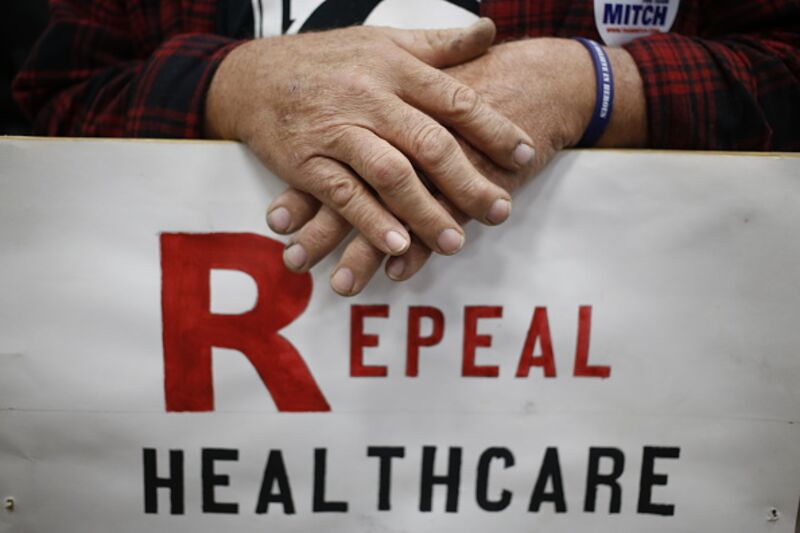
Progressives are understandably breathing a sigh of relief following the Senate’s failure to repeal Obamacare and replace it with legislation that would have scaled back health-insurance coverage. But they shouldn’t be too comfortable in their victory — it’s temporary.

President Donald Trump has threatened not to support the Affordable Care Act. If the Trump administration decides not to make critical payments to insurers, or stops enforcing the tax penalty for people who don’t buy insurance, the law could be in serious trouble. And even if the administration continues to support Obamacare’s success, progressives should be clear that the law still needs improvements to ensure that premiums don’t continue to increase at an unsustainable rate, and that households in all parts of the country continue to have access to insurance through the individual market.

What’s needed to move forward? Republicans and Democrats working together.

A major problem with the Affordable Care Act is the way it was passed: on a party-line vote, without support from a single Republican. This made the law vulnerable and created uncertainty about its future among market participants. The unsuccessful GOP repeal-and-replace efforts have been just as divisive. For a policy change of this magnitude to be lasting and stable, it should have at least some bipartisan support.

President Barack Obama’s lasting health-care legacy is winning the fight over whether universal coverage is the right goal. Mr. Obama was correct that it is, and as I’ve argued recently, conservatives should agree. But what is needed to get us there in best way? Let me outline a few corollary goals.

Universal coverage should be pursued in a way that is affordable, both to households and to the government, and that helps lower the trajectory of health-care costs overall. It should lead to higher-quality medical care, to make being insured attractive to households, and should encourage innovation, productivity and technological progress in the health-care sector. It should encourage young and healthy people to be covered in order to balance the risk pool facing insurers, making it attractive for insurers to offer insurance. It should ensure that even the hard-to-cover are insured.

To achieve these goals, both conservatives and progressives are going to have to give ideological ground.

Conservatives in Congress have already given quite a bit. For example, even the most hard-line conservatives in the House voted in favor of the federal government providing subsidies to low-income households to help them purchase health insurance.

But congressional Republicans will have to go further. Subsidies for low-income households need to be generous enough to make insurance against catastrophic medical expenses affordable. Republicans shouldn’t try to cut taxes as part of health reform. And Republicans should accept that we need a robust health-insurance safety net that covers all citizens living in poverty or living with medical conditions that will make insurance prohibitively expensive.

This will involve accepting a larger role for Medicaid than existed before Obamacare, and adequately funding high-risk pools for individuals with pre-existing medical conditions who won’t have access to affordable coverage. It’ll also mean making room for regulation requiring that as long as individuals maintain insurance coverage, they can move from employer coverage to the individual market without being charged higher premiums due to medical conditions.

Progressives have to travel further than this. In order to achieve the goals I laid out, they need to accept that catastrophic health-insurance coverage still counts as coverage. The social problem we face occurs when uninsured individuals get seriously sick or injured, and can’t afford their treatment. Those costs get passed on to the rest of us. The policy solution, then, should focus on the problem of individuals not being insured against very high medical costs — not on insuring for preventative care, or against your annual sinus infection.

In order to encourage the appropriate levels of innovation and productivity, progressives must accept that health insurance — and the market for medical services generally — is too heavily regulated. Obamacare removes choice and options in the individual health-insurance market by specifying what has to be included in insurance plans. In addition, the law’s individual mandate penalizing people who don’t buy insurance is too weak to be effective — but a stronger mandate is both politically untenable and undesirable. So progressives should ditch the mandate and accept another way to encourage young and healthy individuals to be covered: auto-enrollment with an opt-out.

In order to put health-care costs on a sustainable trajectory, progressives must accept that Medicaid, the current health safety net for the poor, needs to change its financing system — in which the federal government matches a share of state spending. They also must accept that market discipline is needed. Catastrophic events are hard to foresee and hard for households to afford, but households should be more exposed to the actual costs of routine care.

Given the current political atmosphere in Washington, I wouldn’t bet on success anytime soon. But these are the right goals, and after the Obama-Trump years, we’ve learned that a bipartisan effort to define universal coverage sensibly and then put it into effect is needed to ensure long-term stability for health policy.

https://www.bloomberg.com/


DOKTER SPESIALIS, Menkes: Tenaga Medis Masih Terpusat di Jawa

DEPOK- Berdasarkan Profil Kesehatan Indonesia 2015, jumlah tenaga medis terbanyak masih terpusat di Provinsi Jawa Timur, Jawa Barat, dan Jawa Tengah yang mencapai 32,8% dari total tenaga medis sebanyak 647.170 orang.

“Dengan bonus demografinya, Indonesia masih membutuhkan tenaga kesehatan cukup besar. Tetapi, faktanya distribusi tenaga kesehatan masih tidak merata dan terpusat di Pulau Jawa,” kata Menteri Kesehatan Nila Farid Moeloek, saat memberikan kuliah umum dalam acara Kegiatan Mahasiswa Baru Universitas Indonesia, Senin (31/7).

Untuk memfasilitasi hal tersebut, Kementerian Kesehatan (Kemenkes) menyelenggarakan Program Nusantara Sehat sejak 2014. Target utama program ini adalah puskesmas yang berlokasi di daerah tertinggal, perbatasan dan kepulauan (DTPK) di seluruh Inddonesia.

Untuk tahun ini, Kemenkes menerjunkan sekitar 1.422 orang dalam 251 tim yang ditempatkan di 28 provinsi dan 91 kabupaten/kota. Adapun, tenaga kesehatan yang dipilih bervariasi mulai dokter umum, spesialis, perawat, hingga tenaga laboratorium.

“Kami juga mengirimkan tenaga tambahan sebanyak 371 tenaga tambahan yang ditempatkan di 60 puskesmas selama dua tahun. Tenaga kesehatan yang dipilih telah melalui proses seleksi terlebih dahulu untuk melihat kesiapan baik secara fisik maupun mental karena mereka ditempatkan wilayah DTPK dan Daerah Bermasalah Kesehatan (DBK).

http://industri.bisnis.com/


Countries failing to meet breastfeeding targets, new global report finds

Less than half of infants around the world under the age of six months are breastfed exclusively, finds a new report by UNICEF and the World Health Organization. In fact, no country in the world meets all the recommended standards for breastfeeding.

To mark the start of World Breastfeeding Week, WHO and UNICEF, along with the Global Breastfeeding Collective, released a scorecard evaluating the breastfeeding habits in 194 nations.

They found that only 40 per cent of children younger than six months are breastfed exclusively, meaning they are given nothing but breastmilk, as doctors now recommend.

Only 23 countries have exclusive breastfeeding rates above 60 per cent. None of those countries are in North America or Europe. They include Bolivia, Burundi, Cambodia, Democratic People’s Republic of Korea, Eritrea, Kenya, Malawi, Micronesia, Peru, and Sri Lanka.

There are many reasons why mothers cannot breastfeed for as long as health experts recommend — even when they want to, the report authors found.
A key reason is because many women need to return to work and are forced to find alternatives to breastfeeding.

Just over 10 per cent of countries currently provide protection to new mothers that ensures they receive at least 18 weeks of maternity leave, and guarantees they can continue to receive their previous earnings once they return to work.

Another barrier to breastfeeding is the widespread promotion of breast-milk substitutes, the report authors say. Aggressive infant formula marketing “dissuades many mothers from breastfeeding and weakens their confidence in their ability to breastfeed,” they write.

That’s why World Health Assembly adopted an International Code of Marketing of Breast-Milk Substitutes in 1981, which aims to stop inappropriate marketing of breast-milk substitutes, to ensure that mothers make feeding choices “based on impartial information and free of commercial influences.”

The scorecard found that only 39 countries are enforcing all the provisions of that marketing code.

WHO experts have long promoted breast milk as the best food to offer infants, particularly during their first six months of life. They say breast milk is safe, clean, and contains antibodies that can help protect against common childhood illnesses, such as diarrhea and pneumonia.

Research has also found that breastfeeding can reduce the risk of obesity and diabetes for children later in lie. What’s more, mothers who breastfeed have a reduced risk of breast and ovarian cancer — two leading causes of death among women.

UNICEF Executive Director Anthony Lake says breastfeeding is one of the most effective—and cost effective — investments nations can make in the health of babies and the future health of their economies.

The authors of the scorecard say that every dollar invested in breastfeeding generates $35 in returns, because of reduced health care costs for newborns, their mothers, and illnesses later in life.

“By failing to invest in breastfeeding, we are failing mothers and their babies—and paying a double price: in lost lives and in lost opportunity,” Lake said in a statement announcing the scorecard findings.

The Global Breastfeeding Collective would like to see several changes to raise global breastfeeding rate, including:

  • Increased funding to programs that promote, support and protect breastfeeding
  • More paid family leave and workplace breastfeeding policies
  • More breastfeeding promotion in maternity health centres, including providing breast milk for sick newborns
  • Improved access to breastfeeding counselling in health facilities
  • Strengthened monitoring systems that track the progress of policies towards achieving breastfeeding targets
  • Full implementation of the International Code of Marketing of Breast-milk Substitutes through strong legislation.

The WHO and UNICEF recommend breastfeeding be initiated within one hour of birth, and that it continue with no other foods or liquids for the first six months of life.

They also recommend breastfeeding along with age-appropriate solid foods until a child reaches at least 24 months of age.

http://www.ctvnews.ca/


Tim Kesehatan Indonesia Siap Bantu Jemaah Selama Ibadah Haji

Madinah – Kantor Kesehatan Haji Indonesia daerah kerja Madinah siap melayani jemaah haji yang mengalami gangguan kesehatan. Tak hanya mengandalkan Dokter Indonesia kantor kesehatan haji juga bekerjasama dengan tenaga medis Arab Saudi.

Ruang perawatan yang disiapkan Tim Kesehatan Indonesia untuk melayani jemaah calon haji yang mengalami gangguan kesehatan. Lima dokter spesialis, tujuh dokter umum dan beberapa tenaga medis siap sedia untuk membantu jemaah haji.

Seperti ditayangkan Liputan6 Pagi SCTV, Senin (31/7/2017) tim kesehatan juga bekerjasama dengan lima rumah sakit di sekitar Madinah untuk memenuhi kebutuhan kesehatan jemaah. Hingga hari ketiga kedatangan jemaah calon haji sedikitnya tiga jemaah sudah dirawat di sini.

Sementara itu, di Mekah, suhu udara pada hari Minggu kemarin mencapai 49 derajat celcius dengan kelembapan sembilan persen. Tidak sedikit jemaah haji dari beberapa negara yang sudah berada di Masjidil Haram harus mengenakan penutup kepala dan payung untuk mengurangi rasa panas.

http://news.liputan6.com/


Kemenkes: Jumlah Perokok Remaja Terus Meningkat

JAKARTA – Kementerian Kesehatan menyebutkan Indonesia menghadapi ancaman serius akibat peningkatan jumlah perokok, terutama kelompok anak-anak dan remaja. Peningkatan perokok pada remaja usia 15-19 tahun meningkat dua kali lipat dari 12,7% pada 2001 menjadi 23,1% pada 2016.

Hasil Survei indikator kesehatan nasional (Sirkesnas) 2016 bahkan memperlihatkan angka remaja perokok laki-laki telah mencapai 54,8%.

Dalam keterangan resmi, Kamis (13/7/2017), Kemenkes menyebutkan pemerintah berharap dapat mencapai target indikator Rencana Pembangunan Jangka Menengah Nasional terkait prevalensi perokok anak usia 18 tahun, yaitu turun dari 7.2% pada 2009 menjadi 5,4% pada 2013. Namun, kenyataannya, justru angka ini meningkat menjadi 8,8% pada 2016.

Menteri Kesehatan Nila Moeloek menuturkan bahwa menyikapi besarnya tantangan dalam pengendalian penyakit tidak menular dan faktor risikonya, pemerintah bersama masyarakat dan jajarannya melakukan berbagai upaya.

Kemenkes mengapresiasi bupati/ wali kota bersama jajaran Pemda Kabupaten/Kota yang telah menunjukkan komitmen yang kuat dalam pencegahan dan pengendalian penyakit tidak menular dan faktor risikonya.

Saat ini, dari 515 kabupaten/kota di Indonesia terdapat 258 kabupaten/kota yang menetapkan kebijakan tentang kawasan tanpa rokok (KTR), 152 kabupaten/kota yang telah menetapkan peraturan daerah dan 65 di antaranya telah mengimplementasikannya, serta 106 kabupaten/kota baru yang mempunyai peraturan bupati/wali kota.

Beberapa kabupaten/kota telah melarang iklan rokok yang dapat mempengaruhi anak-anak untuk memulai merokok antara lain Kulonprogo, Kab. Klunkung, Kota Bogor, Padang Panjang, Kota Payakumbuh. Denpasar, serta Provinsi DKI.

Nila berharap pemprov dan pemkab/kota lain dapat segera menetapkan perda dan mengimplementasikannya. Hal ini sejalan dengan Gerakan Masyarakat Hidup Sehat atau Germas yang tertuang dalam Instruksi Presiden Republik Indonesia No.1/2017.

Inpres tesebut, jelasnya, secara spesifik menginstruksikan agar kabupaten/kota segera menetapkan aturan dan kebijakan yang mendorong agar masyarakat hidup sehat, termasuk menetapkan aturan kebijakan tentang KTR dan mengimplementasikannya.

Gerakan Masyarakat Hidup Sehat atau GERMAS adalah upaya pemerintah mendorong perubahan perilaku masyarakat untuk hidup sehat seperti; melakukan aktivitas fisik; mengonsumsi sayur dan buah; tidak merokok dan tidak mengkonsumsi alkohol; melakukan cek kesehatan secara rutin; membersihkan lingkungan dan menggunakan jamban.

sumber: http://lifestyle.bisnis.com