
New Report Recommends People-Centered Integrated Care as Focus of China’s Health Reform

BEIJING, A new report says China can offer better health care for its citizens at affordable costs if it restructures its delivery model to focus on providing integrated primary care for its rapidly aging population, and reforming public hospitals so they mainly treat complex and acute cases.

Switching to “people-centered, integrated care” would keep routine patient care outside of hospitals and help China cut down on health costs by as much as 3 percent of its gross domestic product (GDP) by 2035, according to the report conducted by the World Bank and the World Health Organization, the Ministry of Finance, the National Health and Family Planning Commission, and the Ministry of Human Resources and Social Protection of China. The savings, according to Bank estimates, is projected to be in the hundreds of billions of dollars annually.

Business as usual, however, would increase health spending by 8.4 percent a year from 2015 to 2020, faster than the projected GDP growth of 6.5 percent a year.

“Decades ago, China’s innovations in health such as barefoot doctors and cooperative health care showed the world it was possible to improve the health and greatly increase the life expectancy for hundreds of millions of people,” said World Bank Group President Jim Yong Kim. “Today, China can once again lead the way with cutting-edge primary health care reform that puts the patient first and shifts away from expensive hospital care that often does little to improve the health of people. If China institutes these reforms, we believe it will improve the health care system for all Chinese—or one in every six people in the world.”

The report, Deepening Health Reform in China, is the most comprehensive report so far about China’s health reform. Two years in the making, it is based on 20 background studies, more than 30 case studies, visits to 21 provinces in China, and a series of technical workshops with a diverse team of policy makers, practitioners, researchers and academicians from all three partners.

Success and challenges in China’s health care systems

The report comes as the Chinese government embarks on health reforms under the 13th Five-Year Development plan, including legislation that would set parameters of the health sector.

Its recommendations are built on China’s impressive success in health care over the last two decades. With massive investments in health infrastructure, the country achieved near-universal health insurance coverage at an unprecedented speed, with more than 95 percent of its population covered by 2011. This helped reduce child and maternal mortality rates; a child born in China today can expect to live more than 30 years longer than he would 50 years ago.

But China’s health costs have been growing because of rising incomes and expansion of health insurance to almost all citizens. After lifting more than 600 million people out of poverty amid double-digit growth in the last three decades, China now faces slower growth and emerging challenges common to a better-off society.

China faces emerging challenges to meet the healthcare needs of its citizen, due to a rapidly aging society and the increasing burden of non-communicable diseases, such as cancer and heart disease. There are now 140 million people older than 65 years in China, and that is expected to increase to 230 million by 2030. Infectious diseases have been replaced by non-communicable diseases as the greatest health threat, accounting for more than 80 percent of the 10.3 million deaths every year. Those diseases are exacerbated by high-risk behaviors such as smoking, sedentary lifestyles and alcohol consumption, as well as environmental factors such as air pollution. At the same time, with higher economic growth and personal incomes, people are demanding more and better health care.

That has put pressure on the health care system. According to the report, health gains have slowed, but healthcare spending has been growing at a rate of 5 to 10 percentage points higher than GDP growth since 2005. Out-of-pocket expenditures have eased significantly in recent years, but at 32 percent of total spending in 2014, the rate is still higher than the average of 21 percent among high-income economies.

Recognizing the challenges, Chinese Premier Li Keqiang agreed with the World Bank Group president and World Health Organization director general in 2014 to prepare this study.

The report details a series of recommendations on the practical and concrete actions required to build a healthcare system for the future, through improved service provision and the creation of a financial and institutional environment for the improved care.

People-centered integrated care

At the core of the report’s recommendations is the full adoption of a people-centered integrated care model. The bedrock of this type of model is a strong primary care system that is integrated with more advanced care, especially for patients with chronic illness such as cancer and diabetes.

Another recommended way to improve to China’s healthcare system is to reform public hospitals so they are no longer a one-stop shop for all health services, but instead are used for more acute care with primary care provider covering routine care.

A more effective system would also change incentives for providers so they are rewarded for good health outcomes for patients instead of for the volume of care, which is a major driver of health costs.

The report recommends boosting the status of primary care providers so they are better paid and supported, to ensure a competent health workforce that people can trust.

It also supports allowing qualified private health providers to compete on a level playing field with the public sector to deliver cost-effective services.

And finally, the report suggests that a national authority to oversee quality improvements across the system could be considered by China.

The report urges China to incorporate the proposed changes in a coordinated and deliberate manner. It said it will likely take about 10 years for China to fully implement the proposed reforms.

http://www.worldbank.org


Developing a Self-Sufficient Pharmaceutical Industry in Indonesia

Indonesian President Joko Widodo signed Presidential Instruction No. 6/2016 on the Acceleration of Development of the Pharmaceutical Industry and Medical Devices on 8 June 2016. Through this instruction Widodo calls on all relevant ministries – including the Health Ministry, Industry Ministry and Finance Ministry – to take efforts to boost development of Indonesia’s pharmaceutical industry. The Health Industry has a key task to write an action plan for the development of a self-sufficient pharmaceutical industry and to boost competitiveness.

Indonesia’s pharmaceutical industry is highly dependent – for some 90 percent – on imports of raw materials from abroad. Considering that sales in the nation’s pharmaceutical industry are expanding by around 10 percent year-on-year (y/y), it implies imports of raw materials will continue to rise, especially now the Indonesian government is eager to turn its ambitious universal healthcare scheme (in Indonesian: Jaminan Kesehatan Nasional, or JKN) into a success. JKN, which was implemented by the social security agency Badan Penyelenggara Jaminan Sosial Kesehatan (BPJS) in early 2014, aims to provide all Indonesian citizens with access to a wide range of health services (by 2019). If conditions do not change but the JKN program is a success, then it would imply a significant surge in imports of raw materials, putting pressure on Indonesia’s trade and current account balances.

The presidential instruction also orders the Health Ministry to create an integrated data system that covers the demand, production and distribution of pharmaceutical supplies and healthcare services. Meanwhile, the process to obtain permits to develop a pharmaceutical factory should be simplified. Furthermore, BPJS needs to improve its capacity to pay bills submitted by local hospitals and health clinics.

Earlier this year we reported about the growing mismatch between claims paid and premiums received by BPJS. The subsequent growing deficit undermines the financial sustainability of the whole program. Moreover, given that 90 percent of medicines’ raw materials are imported, part of BPJS’ funds (taken from the central government’s state budget) flow abroad.

Presidential Instruction No. 6/2016 also calls on Indonesia’s Finance Ministry to provide fiscal incentives in order to attract investment in the pharmaceutical industry. Also the Indonesia Investment Coordinating Board (BKPM), the government agency that provides investment services, is tasked to create new policies that boost investment in this sector.

Earlier this year the Indonesian government had already widened room for foreign ownership in factories that produce raw materials for medicines from 85 percent to full 100 percent foreign ownership. However, more incentives are needed to attract investment.

http://www.indonesia-investments.com/


Jawa Timur Pastikan Bebas dari Vaksin Palsu

Balai Besar Pengawasan Obat dan Makanan (BPOM) Surabaya serta Dinas Kesehatan Provinsi Jawa Timur melakukan sejumlah langkah untuk mencegah peredaran vaksin palsu di Jawa Timur. Salah satunya dengan melakukan pemeriksaan pada seluruh sarana pelayanan kesehatan di Jawa Timur.

SURABAYA — Dinas Kesehatan Provinsi Jawa Timur melakukan pemeriksaan dan pengawasan pada fasilitas sarana pelayanan kesehatan, untuk memastikan tidak ada vaksin palsu yang beredar di Jawa Timur.

Menurut Kepala Bidang Pengendalian Penyakit dan Masalah Kesehatan, Dinas Kesehatan Provinsi Jawa Timur, Ansarul Fahrudda, pemeriksaan dilakukan untuk memastikan hanya vaksin legal yang beredar di Jawa Timur. Ansarul juga menegaskan bahwa vaksin yang diberikan oleh pemerintah dalam program imunisasi merupakan vaksin asli.

“Hasilnya 100 persen vaksin yang ada di layanan fasilitas kesehatan yang memberikan layanan imunisasi itu jelas, bukan vaksin ilegal. Lalu vaksin yang digunakan oleh pemerintah di Program Imunisasi yang ada posyandu, puskesmas, rumah sakit pemerintah atau rumah sakit swasta yang kerjasama dengan pemerintah selama pendistribusian vaksin, itu semua vaksin dari program nasional itu asli,” ujar Ansarul Fahrudda.

Keberadaan vaksin palsu yang sempat dikabarkan beredar termasuk di wilayah Jawa Timur, sejauh ini tidak ditemukan setelah dilakukan uji laboratorium, terhadap sample di sejumlah fasilitas kesehatan yang diperiksa.

Kepala Balai Besar Pengawas Obat dan Makanan (BPOM) Surabaya, I Gusti Ngurah Bagus Kusuma Dewa mengatakan, pihaknya bersama Dinas Kesehatan telah melakukan pemeriksaan di 27 sarana pelayanan kesehatan, sejak merebaknya pemberitaan mengenai vaksin palsu. Bagus Kusuma Dewa memastikan, tidak menemukan vaksin palsu dari hasil uji yang telah dilakukan.

“Begitu kasus ini mencuat ya, kita kan langsung turun ke lapangan, kita lakukan sampling terhadap produk dan samplenya itu kita kirim ke pusat, ke Pusat Pengujian Obat dan Makanan di Badan POM Pusat. Dan hasil ujinya pun sudah dilaporkan ke Satgas, namun sejauh ini memang belum ditemukan bahwa ada indikasi vaksin palsu yang ditemukan di Jawa Timur,” ujar I Gusti Ngurah Bagus Kusuma Dewa.

BPOM Surabaya memastikan pengendalian dan pengawasan terhadap peredaran vaksin di Jawa Timur sudah sangat ketat, termasuk pengawasan pada distributor resmi dan sarana pelayanan kesehatan yang memberikan layanan vaksin. Pengendalian dan pengawasan vaksin ini diperlukan karena vaksin memerlukan perlakuan khusus.

Meski belum menemukan vaksin palsu beredar di wilayah Jawa Timur, Bagus Kusuma Dewa memastikan terus melakukan pengawasan dan pemeriksaan secara lebih intensif, agar vaksin palsu tidak sampai masuk melalui jalur ilegal.

“Sesuai dengan tugas pokok fungsi kami kan mengawasi peredaran itu. Kita mencegah mudah-mudahan tidak terjadi kebocoran dari sarana ilegal tadi, yang tentunya tidak berijin, bukan distributor resmi kan seperti itu, masuk ke peredaran yang resmi. Itulah yang kita telusuri berdasarkan, tentunya tidak bisa kami lakukan sendiri oleh Badan POM, tapi bekerjasama terus dengan Dinas Kesehatan,” imbuh I Gusti Ngurah Bagus Kusuma Dewa.

Ansarul Fahrudda menambahkan, pemerintah daerah tidak menutup kemungkinan masuknya vaksin palsu ke wilayah Jawa Timur melalu jalur ilegal, sehingga semua pihak diminta mewaspadai keberadaan vaksin dari sumber yang tidak jelas atau tidak resmi. Ansarul menegaskan akan menindaklanjuti semua laporan dan melakukan pemeriksaan, terkait keberadaan vaksin yang diduga palsu.

“Kita ingin mengidentifikasi apakah ada vaksin-vaksin yang diberikan oleh layanan tersebut itu berasal dari yang tidak jelas, sumber yang tidak jelas, artinya ini vaksin kalau dari pemerintah sudah jelas, kalau ada vaksin beli sendiri tapi fakturnya ada itu jelas, tapi kalau ada vaksin disediakan di suatu fasilitas layanan lalu tidak ada faktur, tidak jelas, nah kita harus curiga itu untuk kita bawa untuk kita periksa,” imbuh Ansarul Fahrudda.

Wakil Gubernur Jawa Timur, Saifullah Yusuf, meminta rumah sakit serta pihak terkait untuk memastikan tidak ada vaksin palsu yang diberikan kepada masyarakat, karena hal ini terkait dengan nyawa manusia. Sanksi tegas akan diberikan bila didapati ada yang terlibat dalam peredaran vaksin palsu di Jawa Timur.

“Kita ingin rumah sakit-rumah sakit kita, kita sudah menghimbau ya lewat asosiasi rumah sakit itu untuk memastikan bahwa proses pembelian obat-obatan itu melalui proses yang benar, ini menyangkut nyawa orang, ini menyangkut sesuatu yang masuk kepada tubuh pasien. Jadi harus dipastikan betul obat ini benar, obat ini memang sesuai dengan apa yang kita butuhkan,” ujar Wagub Jawa Timur Saifullah Yusuf.

http://www.voaindonesia.com/


Prosedur Penanganan Anak yang Mendapat Vaksin Palsu

21jul

21julBerikut prosedur tindak lanjut bagi anak anak yang mendapat vaksin palsu seperti seperti disampaikan Kepala Biro Komunikasi dan Pelayanan Masyarakat, Kementerian Kesehatan, Oscar Primadi dalam siaran pers, di Jakarta, Jumat (21/7).



A. Verifikasi Data Anak

  1. Satgas Satgas Penanggulangan Vaksin Palsu melakukan pendataan anak yang diduga mendapatkan vaksin palsu dan melakukan verifikasi, diantaranya mencakup nama, usia, alamat, riwayat imunisasi, nama orangtua, dan nomor kontak.
  2. Berdasarkan hasil verifikasi, Satgas bekerjasama dengan Dinas Kesehatan setempat menghubungi orangtua/keluarga anak untuk menginformasikan tempat dan waktu anak akan mendapatkan pemeriksaan kesehatan dan imunisasi wajib yang harus diulang.
  3. Dalam hal orangtua/keluarga ingin mendapatkan informasi atau menyampaikan pengaduan, orangtua/keluarga anak yang mendapatkan imunisasi di 14 Rumah Sakit dan 8 Klinik/bidan yang telah diumumkan Pemerintah, dapat mendatangi Posko Pengaduan Imunisasi. Di wilayah DKI Jakarta, posko pengaduan ada di setiap Puskesmas. Posko pengaduan vaksin palsu di Bekasi berada di 44 Puskesmas dan Tangerang di Puskesmas Ciledug.
    1. Petugas Posko Pengaduan melakukan pencatatan data anak.
    2. Kecamatan akan mengirimkan data anak ke Satgas Penanggulangan Vaksin Palsu melalui Subdin/Dinas Kesehatan.
    3. Satgas melakukan verifikasi data.
    4. Berdasarkan data yang telah terverifikasi, Satgas bekerjasama Dinas Kesehatan setempat menghubungi orangtua/keluarga anak untuk menginformasikan tempat dan waktu anak akan mendapatkan pemeriksaan kesehatan dan imunisasi wajib yang harus diulang.
  4. Orangtua/keluarga anak yang mendapatkan imunisasi di 14 Rumah Sakit dan 8 Klinik/bidan yang telah diumumkan Pemerintah juga dapat menghubungi Crisis Center Halo Kemenkes 1500567 untuk mendapatkan informasi data anak yang telah terverifikasi atau menyampaikan pengaduan anak yang terduga mendapatkan vaksin palsu.

B. PEMBERIAN IMUNISASI ULANG

  1. Orangtua/keluarga membawa anak yang akan mendapatkan imunisasi ulang ke Puskesmas atau Rumah Sakit pada waktu yang telah ditetapkan. Orangtua/keluarga membawa buku KIA/buku catatan imunisasi anak. Anak yang diimunisasi ulang harus dalam keadaan sehat (tidak demam).
  2. Petugas melakukan pencatatan/pendaftaran imunisasi ulang.
  3. Tenaga Kesehatan/Dokter memberikan penjelasan mengenai pemberian imunisasi kepada orangtua/keluarga.
  4. Dokter melakukan pemeriksaan rekam imunisasi dan menentukan kebutuhan catch-up imunisasi anak, pemeriksaan kesehatan anak, menentukan ada tidaknya halangan (kontraindikasi) pemberian imunisasi ulang.
  5. Apabila terdapat halangan untuk dilakukan imunisasi ulang, dokter menyarankan langkah-langkah yang perlu dilakukan sesuai keadaan anak.
  6. Imunisasi ulang diberikan kepada anak. Pemberian imunisasi ulang dicatat dalam rekam medis dan buku kesehatan anak. Apabila ada rencana imunisasi selanjutnya, jadwal kedatangan dituliskan dalam rekam medis dan buku kesehatan anak.
  7. Orangtua/keluarga diharapkan memantau keadaan anak setelah imunisasi. Apabila ada timbul gejala penyakit atau reaksi yang tidak diinginkan dalam 30 hari setelah pemberian imunisasi mohon segera kembali ke tempat dilakukan imunisasi. Sehingga anak dapat dipantau dan kejadian tersebut dilaporkan ke Dinas Kesehatan dan dikaji oleh Pokja KIPI. Kejadian yang dilaporkan akan dianalisis apakah ada hubungan dengan vaksin atau tidak.
  8. Petugas Puskesmas/Rumah Sakit mencatat jenis imunisasi yang diberikan dan logistik vaksin yang dipakai.
  9. Laporan hasil pelaksanaan imunisasi ulang dilaporkan secara berjenjang dari Puskemas/RS ke Dinkes Kab/Kota, Dinkes Prov dan Kemenkes setiap hari.

Keterangan:

  1. Imunisasi ulang dilakukan oleh tenaga kesehatan yang telah ditetapkan oleh Pemerintah baik Kementerian Kesehatan maupun Dinas Kesehatan setempat.
  2. Vaksin yang digunakan untuk imunisasi wajib yang diulang disediakan oleh Pemerintah.

{jcomments on}

BPJS Kesehatan: Ajak Siswa Terapkan Budaya Hidup Sehat

19jul-1

19jul-1Badan Penyelenggara Jaminan Sosial (BPJS) Kesehatan menggandeng Kementerian Pendidikan dan Kebudayaan (Kemdikbud) canangkan budaya hidup sehat di kalangan siswa lewat program “BPJS Kesehatan Goes to School”.
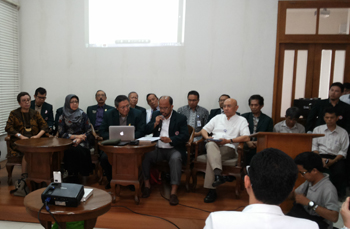
“Target sasaran program ini siswa sekolah menengah pertama (SMP) karena dianggap sudah bisa mengerti dan bisa diajak untuk bergaya hidup sehat,” kata Dirut BPJS Kesehatan, Fachmi Idris saat penancangan BPJS Kesehatan di Soreang, Kabupaten Bandung, Selasa (19/7).

Hadir dalam kesempatan itu, Mendikbud Anies Baswedan dan Bupati Bandung, Dadang M Naser.

Fachmi menambahkan, pihaknya membuat program tersebut dengan harapan dapat meningkatkan kesadaran tentang budaya sehat dan gotong royong di kalangan muda. Sehingga mereka bisa tetap sehat saat memasuki usia tua.

“Kegiatan menyasar siswa SMP karena periode usia remaja itu merupakan masa paling rentan dan memiliki risiko yang cukup besar terpengaruh lingkungannya,” ujar Fachmi Idris.

Apalagi saat ini, lanjut Fachmi, proyeksi 2010-2035 menunjukkan adanya bonus demografi di Indonesia. Bagaimana caranya agar mereka tetap produktif di usia tua, yaitu promosi gaya hidup sehat dan budaya gotong royong sejak usia belia.

“Usia 10-19 tahun meruoajan kategori usia terbanyak dari total jumlah penduduk Indonesia,” katanya.

Ditambahkan, program tersebut akan dikembangkan secara serentak di 13 wilayah kerja di masing-masing Divisi Regional BPJS Kesehatan.

“Tim dari BPJS Kesehatan dan Kemdikbud akan turun ke SMP yang ada di wilayah kerja masing-masing. Program ini tak hanya menyentuh siswa, tetapi juga guru-gurunya,” katanya.

Fachmi menilai informasi seputar gaya hidup sehat sangat penting, sebab pada 2015 tercatat ada sebanyak Rp16.9 triliun atau 29.67 persen dana jaminan kesehatan terserap untuk membiayai penyakit katastropik seperti penyakit jantung, gagal ginjal, kanker, stroke, dan sebagainya.

“Penyakit katastropik terjadi karena berbagai kebiasaan perilaku hidup tidak sehat seperti merokok, makanan tak sehat, kurang olahraga, dan sebagainya. Jika dibiarkan, hal itu dapat berdampak kurang baik bagi kualitas kesehatan penduduk Indonesia maupun keberlangsungan program JKN-KIS,” ucap Fachmi menegaskan.

Ditambahkan, selain edukasi tentang pola hidup sehat, kegiatan “BPJS Kesehatan Goes to School” juga diharapkan dapat membentuk serta meningkatkan rasa kepedulian, kerelaan membantu sesama, dan gotong royong dalam diri para pelajar, terutama dalam hal pelaksanaan program jaminan kesehatan di Indonesia.

“Para siswa perlu diberi informasi seputar budaya gotong royong dalam pelaksanaan BPJS Kesehatan. Bagaimana program JKN-KIS dapat berjalan dengan baik lewat budaya gotong royong,” katanya.

Karena itu, Fachmi menegaskan, peran generasi muda dalam mengawal keberlangsungan program JKN-KIS di Indonesia sangatlah besar. Diharapkan dengan menanamkan rasa kepedulian dan gotong royong pada siswa sejak dini akan membantu pemerintah mewujudkan Indonesia yang lebih sehat. (TW)

{jcomments on}

IDI akan Beri Pendampingan Hukum Bagi Dokter Tersangkut Kasus Vaksin Palsu

19jul

19julPengurus Besar Ikatan Dokter Indonesia (IDI) akan memberi pendampingan hukum bagi dokter yang sudah dijadikan tersangka, maupun tenaga kesehatan lainnya yang tersangkut kasus vaksin palsu.

“Kami ingin para dokter maupun tenaga kesehatan lainnya yang tersangkut kasus vaksin palsu diterapkan azas praduga tak bersalah dulu,” kata Ketua Umum PB IDI, Ilham Oetama Marsis dalam keterangan pers di Jakarta, Senin (18/7).

Pada kesempatan itu, ia didampingi Ketua Umum Persatuan Rumah Sakit Indonesia (Persi), Sri Rachmani, Ketua Umum Asosiasi Rumah Sakit Swasta Seluruh Indonesia (ARSSI), Susi Setiawati dan Ketua Ikatan Dokter Anak Indonesia ( IDAI), Aman Pulungan.

Untuk itu, lanjut Prof Marsis menambahkan, pihaknya telah membentuk Satgas Advokasi Vaksin Palsu, bekerja sama dengan ARSSI dan Persatuan Rumah Sakit Seluruh Indonesia (Persi). Hal-hal yang berhubungan dengan dokter dan tenaga kesehatan lainnya dalam kasus vaksin palsu akan ditangani Satgas tersebut.

Ketua Umum PB IDI juga meminta pada Bareskrim untuk segera mengungkap dalang sesungguhnya dibalik kasus vaksin palsu. Karena dampaknya justru menimpa sejumlah dokter dan tenaga kesehatan lainnya.

“Data yang ada sekarang ini belum mengungkapkan fakta sesungguhnya tentang jaringan vaksin palsu. Disayangkan, kasus tersebut justru menyeret dokter dan tenaga kesehatan lainnya sebagai pihak yang bersalah,” ujarnya.

Prof Marsis berharap pada Polri untuk memberi jaminan keamanan bagi tenaga dan fasilitas kesehatan agar pelayanan kepada masyarakat tetap berjalan seperti biasanya.

“Para dokter dan tenaga kesehatan lain di rumah sakit yang terjadi kasus palsu jadi takut bekerja, karena khawatir jadi sasaran anarkisme warga. Padahal mereka tak ada kaitannya sama sekali dengan kasus tersebut,” ujar Prof Marsis.

Ia juha berharap pada media untuk menerapkan azas praduga tak bersalah terhadap dokter dan sejumlah tenaga kesehatan lainnya yang dijadikan tersangka, hingga pengadilan yang memutuskan.

“Jika dokter tersebut sudah dinyatakan bersalah, maka akan ada sanksi atas profesinya yaitu pencabutan Surat Tanda Registrasi (STR). Sehingga dia tidak bisa praktik lagi sebagai dokter,” kata Prof Marsis.

Prof Ilham menyayangkan kasus vaksin palsu telah membuat masyarakat saat ini kehilangan kepercayaan terhadap dokter dan rumah sakit di Indonesia. “Harus ditelusuri apakah ada grand design untuk menjatuhkan profesi dokter dan rumah sakit di Tanah Air, terkait dengan pelaksanaan Masyarakat Ekonomi ASEAN,” ujar Ilham.

Ia berharap pemerintah bisa segera menyelesaikan kasus tersebut, sehingga para dokter bisa kembali bekerja dengan nyaman.

Pada kesempatan yang sama, Ketua Ikatan Dokter Anak Indonesia (IDAI) dr Aman Pulungan mengatakan, pihaknya telah membentuk satgas terkait vaksin palsu. Tim telah turun ke sejumlah rumah sakit yang tersangkut kasus vaksin palsu tersebut.

“Kami sedang mengumpulkan data berapa anak yang kemungkinan terpapar vaksin palsu tersebut. Tim akan bekerja selama 120 hari,” kata Aman Pulungan.

Ditambahkan, IDAI bekerja sama dengan rumah sakit membentuk posko bagi anak untuk dilakukan vaksin ulang. “Tinggal tunjukkan bukti pernah disuntik vaksin di rumah sakit tersebut. Posko akan memberi vaksin ulang dengan gratis,” ujar Aman Pulungan menandaskan. (TW)

{jcomments on}

The world is trying to end the AIDS epidemic for good – and it’s totally within reach

In June 1981, the Centers for Disease Control announced that a strange infection was showing up in Los Angeles.

Five patients had severely weakened immune systems, and many were suffering from an extremely rare form of pneumonia. Doctors couldn’t figure out how a cluster of previously healthy, young gay men had gotten so sick so quickly.

The warning from Los Angeles was soon followed by reports of similar cases in New York, San Francisco, and other cities.

By the end of that year, at least 121 people had died from the then-mysterious disease. By the end of the decade, the syndrome, which we now know as AIDS, had become a pandemic, taking more than 59,000 American lives. Worldwide, the World Health Organization (WHO) estimated, there were up to 400,000 cases.

Since the beginning of the epidemic, AIDS has claimed about 34 million lives. And there are an estimated 36.7 million people worldwide currently living with HIV, the virus that causes AIDS. It’s still the leading cause of death for women of reproductive age (15-44) worldwide.

But the tide is finally turning, and stopping a disease that once seemed unbeatable is now very much within our reach.

A plan to end AIDS
On June 8, almost exactly 35 years since the start of the AIDS crisis, the United Nations announced a new set of goals that would put the world on track to end the epidemic by 2030. That’s not only amazing, but entirely possible.

AIDS, or acquired immunodeficiency syndrome, is a disease caused by human immunodeficiency virus, or HIV. The virus attacks the immune system, specifically infection-fighting CD4 or T cells, until the body no longer can defend itself from opportunistic infections. Doctors diagnose a patient with AIDS, the final stage of HIV, when they develop opportunistic infections or the concentration of CD4 cells falls below a certain point. HIV is transmitted through blood and other bodily fluids — most people contract it through unprotected sex or intravenous drug use with contaminated needles. Mothers can also transmit the virus to their children during pregnancy or breastfeeding.

The targets set out in what’s called the UNAIDS Fast-Track plan are ambitious, but important. The first goal is the 90-90-90 target: By 2020, 90% of people with HIV will know they’re infected, 90% of those who know will have access to treatment, and 90% of people in treatment will be successfully suppressing the levels of the virus in their system. Also by 2020, the UN hopes to see 500,000 or fewer new infections among adults.

By 2030, the UN has set a goal to limit new infections among adults to 200,000, with treatment goals boosted to 95-95-95.

We’ve already come so far

That may sounds like a tall order, but the strides made in the fight against AIDS in rich countries is tremendous. In the United States, deaths from AIDS-related illnesses peaked in the early 1990s and have fallen steadily ever since.

Globally, the most devastating year was 2005, when AIDS killed 2 million people, but that number’s been falling too — down to 1.1 million in 2015. New infections have declined by 6%, and among children, new cases are down 50%. On Monday, Australia announced that AIDS was “no longer a public health issue” in the country, according to Reuters.

With access to treatment, HIV is far from the death sentence it was at the height of the American epidemic — by blocking the growth of HIV cells with antiretroviral drugs, patients can live with HIV longer than ever and even avoid AIDS altogether. The risk of a pregnant mother transmitting HIV to her child can now be reduced to less than 5% with proper medical intervention.

As treatment has improved, so has prevention. A study released in the Journal of the American Medical Association (JAMA) on Tuesday tracking long-term, committed couples with different HIV statuses showed that antiretroviral therapy can also prevent an HIV-positive person from transmitting the virus to their uninfected partner.

In 2012, the Food and Drug Administration approved a combination of drugs called Pre-Exposure Porphylaxis, or PrEP, which can reduce the risk of infection by up to 92% for daily users.

‘The issue is access’
Right now, the UN estimates that only 57% of people living with HIV know their status, and fewer than half have access to antiretroviral treatment. The rates of new infection are on the rise again — even in Australia, where HIV diagnoses actually rose by 13% over the past decade, despite the plummet in cases of full-blown AIDS.

And while treatment and prevention options have improved drastically, there are stark disparities in who has access to those options around the world.

“Today, we have multiple prevention options,” said Michel Sidibé, executive director the UN’s AIDS program, in a press release. “The issue is access — if people do not feel safe or have the means to access combination HIV prevention services we will not end this epidemic.”

Which is why one another important number in the plan the global AIDS epidemic is zero: Zero discrimination against people living with or vulnerable to HIV infection.

http://www.techinsider.io/


Virus hepatitis ‘membunuh’ banyak pasien

Virus hepatitis adalah salah satu virus mematikan di dunia, dengan jumlah korban jiwa sebanyak korban AIDS atau tuberkulosis (TBC), demikian laporan penelitian yang diterbitkan jurnal kesehatan, The Lancet.

Laporan ini memperkirakan infeksi hepatitis dan komplikasinya merenggut 1,45 juta jiwa pada 2013, walaupun ada vaksin dan perawatan untuk para penderita hepatitis.

Data dari Organisasi Kesehatan Dunia (WHO) menunjukkan adanya jumlah kematian yang terkait dengan AIDS sebesar 1,2 juta jiwa pada 2014, sedangkan TBC sebesar 1,5 juta jiwa.

WHO telah mencanangkan strategi global untuk menanggulangi virus hepatitis.

Virus hepatitis yang dimaksud di sini termasuk dalam semua lima jenis (dikenal dengan A, B, C, D, E). Beberapa di antaranya dapat ditularkan melalui kontak cairan tubuh sedangkan hepatitis A dan E ditularkan karena makanan atau air yang terkontaminasi.

Kasus kematian di dunia kebanyakan karena hepatitis B dan C yang merusak organ hati serta menyebabkan kanker hati. Mereka yang terjangkit virus ini tidak menyadari dampak jangka panjangnya hingga terlalu terlambat.

Para ilmuwan dari Imperial College London dan Universitas Washington memeriksa data dari 183 negara yang terkumpul antara 1990 hingga 2013.
Mereka menemukan jumlah kematian terkait virus hepatitis yang meningkat lebih dari 60% selama lebih dari dua dasawarsa, sebagian karena peningkatan jumlah populasi penduduk.

Namun, kematian dari penyakit-penyakit seperti TBC dan malaria menurun.

Peningkatan vaksinasi

Dr Graham Cooke dari Imperial College London mengatakan temuan ini mengejutkan.

Dr Cooke menjelaskan, “Walaupun ada perawatan efektif dan vaksin untuk virus hepatitis, namun masih sedikit dana untuk memberikan perawatan dan vaksin ini kepada penderita, khususnya jika dibandingkan dengan malaria, HIV/AIDS, dan TBC.”

Penelitian ini mencerminkan bahwa kasus terbesar terjadi di Asia Timur.

Namun, tidak seperti penyakit-penyakit lainnya, tingkat kematian dari virus hepatitis lebih tinggi ditemukan di negara-negara berpenghasilan menengah ke atas dibandingkan dengan negara-negara berpenghasilan rendah.

Strategi penanggulangan hepatitis oleh WHO, yang dimulai pada Mei 2016, menargetkan penurunan kasus-kasus baru hepatitis B dan C sebesar 30% sebelum 2020 juga penurunan tingkat kematian sebesar 10%.

WHO mengatakan negara-negara dan organisasi-organisasi kesehatan perlu memperluas program vaksinasi untuk mencegah penularan hepatitis B dari ibu hamil kepada janinnya serta meningkatkan akses perawatan hepatitis B dan C.

http://www.bbc.com/


Climate change taking heavy toll on health

PARIS • The world should brace itself for a potentially devastating impact on human health due to climate change, top policymakers and officials from around the globe meeting in Paris have said.

Some consequences may be avoided if humanity radically curbs its use of fossil fuels in the coming decades, but many are already being felt, they said at the opening on Thursday of a two-day conference run by the World Health Organisation (WHO) and hosted by France.

“Health and climate are inextricably linked because human health depends directly on the health of the planet,” French Environment and Energy Minister Segolene Royal told participants.

Ms Royal, also the rotating president of United Nations-led talks on how best to cope with global warming, said health impact must play a more central role in future negotiations. “From now on, I will do my best to ensure that health is integrated into all future climate conferences,” starting with a special forum at the 196-nation UN climate meeting in Marrakesh in November, she said.

The Paris Agreement, inked last December, calls for holding global warming to well under 2 deg C and helping poor nations cope with its impact. A crescendo of scientific studies paints an alarming picture of the human suffering in store due to disrupted weather patterns, rising seas, droughts and superstorms.

Tropical disease vectors – for malaria, dengue and Zika, to name a few – are expanding as the insects that carry them spread following warming climes.

Extreme heatwaves set to occur every decade rather than once a century will claim more lives, especially the ill and the elderly. WHO estimated in 2005 that killer hot spells claim 150,000 lives annually.

Most worrying of all, perhaps, is the threat to global food supplies. Many staple foods, especially in the developing world, cannot adapt fast enough to changing weather, resulting in lower yields. Fish – a key source of protein for billions – have not only been depleted by industrial harvesting, but also are migrating as oceans warm and coral reefs die.

Sometimes it is the sources, rather than the impact, of manmade climate change that damage health.

WHO estimates seven million people die each year from air pollution, which also contributes to global warming. “The health sector has been under-represented in this discussion when you think about the millions of lives that will be affected, and even ended,” said the UN climate forum’s interim head Richard Kinley.

The Second Global Conference On Health and Climate was due to end yesterday with a proposed “action agenda” for national governments.

http://www.straitstimes.com/


Global conference sets health action agenda

Participants attending the Second Global Conference on Health and Climate, hosted by the Government of France, COP21 presidency, proposed key actions for the implementation of the Paris agreement to reduce health risks linked to climate change.

The World Health Organisation (WHO) estimates that climate change is already causing tens of thousands of deaths every year. These deaths arise from more frequent epidemics of diseases like cholera, the vastly expanded geographical distribution of diseases like dengue, and from extreme weather events, like heat waves and floods.

At the same time, nearly 7 million people each year die from diseases caused by air pollution, such as lung cancer and stroke.

Experts predict that, by 2030, climate change will cause an additional 2,50,000 deaths each year from malaria, diarrhoeal disease, heat stress and undernutrition alone.

The heaviest burden will fall on children, women, older people and the poor, further widening existing health inequalities between and within populations.

The conference highlighted the benefits of switching to cleaner energy sources. These will help reduce levels of climate and air pollutants, as well as providing desperately needed power for health facilities in low-income countries. The health sector should themselves make a greater effort to promote low-carbon healthcare facilities and technologies; these can simultaneously improve service delivery and reduce costs as well as climate and environmental impacts.

The participants called for countries to adopt a new approach to link health economics assessment and climate change, for example, by calculating the avoided healthcare costs, when countries invest in mitigation of climate emissions, and protection from climate risks.

To develop this work, WHO announced a new working group which will articulate a new coherent approach to health economics and climate change. To do so, it is recommended that countries spend more on protecting health from risks linked to climate, such as extreme weather events and outbreaks of infectious disease and in cleaner energy sources, more sustainable transport systems and urban planning that also reduces major health risks, for example air pollution in cities and in the home. Recommendations also focus on scaling up financing on climate change and health through additional resources and mechanisms and existing resources earmarked for adaptation.

http://www.thedailystar.net/