Zika Is Linked To Microcephaly, Health Agencies Confirm

The World Health Organization says there is now scientific consensus that the Zika virus is connected with microcephaly — a condition in which babies are born with very small heads and brain damage.

Scientists have been working for months to confirm a link between Zika and microcephaly, ever since Brazil reported a startling increase in cases last fall.

Zika infection during pregnancy appears to increase the risk for several types of birth defects and miscarriages, a recent study found. And scientists have found the virus in the brains of affected babies.

But all this evidence is circumstantial. So the big question has been: Is Zika really the culprit?

Now WHO and the Centers for Disease Control and Prevention agree there’s enough evidence to say, yes, Zika is linked to microcephaly.

“At this point the most pressing question people want answered is, ‘If I get a Zika infection during pregnancy what are the chances my baby is going to be affected?’ ” says Dr. Anne Schuchat, the deputy director of the CDC. “We really feel a sense of urgency to both answer that question and to help stop the spread of the virus.”

Currently the Zika virus is circulating in 33 countries in the Americas and has sickened hundreds of thousands of people.

http://www.npr.org/


Menkes Yakin Target Pembangunan Kesehatan Bisa Tercapai

Menteri Kesehatan Nila F Moeloek memaparkan agenda Sustainable Development Goals (SDGs) dalam Rapat Kerja Kesehatan Nasional (Rakerkesnas) 2016 di Jakarta, Kamis (31/3).

Dalam sambutannya, Nila menjelaskan bahwa pelaksanaan Millenium Development Goals (MDGs) telah berakhir pada 2015 lalu dan dilanjutkan dengan SGDs hingga 2030. SDGs menurut Nila lebih menekankan pada 5P, yakni people (manusia), planet (planet), peace (perdamaian), prosperity (kemakmuran), dan partnership (kerjasama).
Lihat juga:Menkes: Butuh Tindakan Non-Kesehatan untuk Perbaikan Gizi

“Seluruh isu kesehatan dalam SDGs diintegrasikan dalam satu tujuan, yakni tujuan nomor tiga, yang menjamin kehidupan yang sehat dan mendorong kesejahteraan bagi semua orang di segala usia,” kata Nila.

Selain permasalahan yang belum tuntas ditangani, seperti upaya penurunan angka kematian ibu (AKI) dan angka kematian bayi (AKB), pengendalian penyakit HIV/AIDS, dan malaria, terdapat hal-hal baru yang menjadi perhatiannya. Hal-hal tersebut, di antaranya yakni kematian akibat penyakit tidak menular (PTM); penyalahgunaan narkotika dan alkohol; kematian dan cedera akibat kecelakaan lalu lintas; asuransi kesehatan umum; dan kontaminasi dan polusi air, udara, dan tanah; serta penanganan krisis dan kegawatdaruratan.

Nila mengingatkan bahwa pembangunan sektor kesehatan untuk SDGs sangat tergantung pada peran aktif seluruh pemangku kepentingan, baik pemerintah pusat, daerah, parlemen, dunia usaha, media massa, lembaga sosial kemasyarakatan, organisasi profesi dan akademisi, mitra pembangunan, dan Perserikatan Bangsa-Bangsa (PBB).

Menurutnya, guna mencapai kesuksesan dalam implementasi SDGs, maka diperlukan internalisasinya ke dalam agenda pembangunan kesehatan nasional. Indikator-indikator SDGs perlu diselaraskan ke dalam visi dan misi Presiden Joko Widodo dan seluruh kepala daerah melalui penjabaran RPJMN, RPJMD, Renstra Kementerian, dan Renstra Daerah.

“Pada hakikatnya, bila dapat dilaksanakan seluruh program dan kegiatan yang telah disusun bersama, maka dengan sendirinya target-target yang terdapat dalam SDGs akan dapat kita penuhi,” katanya.

Rakerkesnas merupakan pertemuan tahunan para pemangku kepentingan di bidang kesehatan. Tahun ini, Kementerian Kesehatan mengusung tema ‘Keluarga Sehat Pilar Utama Bangsa yang Kuat’.

Dalam kesempatan ini, Nila sempat menyerahkan tiga jenis teknologi tepat guna (TTG) kepada perwakilan dari tiga provinsi, yaitu ‘penjernih air keruh’ yang dapat digunakan saat bencana banjir dan kekeringan kepada Kepala Dinas Kesehatan Provinsi Jawa Tengah; ‘alat pengolah udara’ yang dapat digunakan saat bencana asap kepada Kepala Dinas Kesehatan Provinsi Sumatra Selatan; dan ‘alat pengendali vektor penyakit DBD’ yang terdiri dari pengusir nyamuk, perangkap nyamuk dewasa dengan umpan, dan perangkap larva kepada Kepala Dinas Kesehatan Provinsi Banten. (sur)

http://www.cnnindonesia.com/


Indeks Kualitas Fasilitas Mitra Capai Rata-Rata 73 Persen

Hasil kajian yang dilakukan Pusat Kebijakan dan Manajemen Kesehatan (PKMK) Fakultas Kedokteran Universitas Gadjah Mada (FK-UGM) Tahun 2015 menunjukkan indeks kualitas fasilitas kesehatan mitra BPJS Kesehatan rata-rata 73 persen.

“Dengan rincian kualitas input sebeser 79 persen, kualitas proses 65 persen dan kualitas outcome 76 persen,” kata Kepala Divisi Manajemen Mutu PKMK FK-UGM dr. Hanevi Djasri saat memaparkan hasil kajiannya tersebut, di Jakarta, Kamis (31/3).

Hadir dalam kesempatan itu, Kepala Grup Komunikasi Publik dan Hub Antar Lembaga BPJS Kesehatan, Ikhsan dan Kepala Grup Penelitian dan Pengembangan BPJS Kesehatan, Togar Sialagan.

Dijelaskan, kajian dilakukan di 49 kabupaten/kota di 14 provinsi. Pemilihan lokasi sasaran dilakukan secara acak. Data diambil melalui survei dan wawancara kepada 533 orang pengelola Puskesmas, dokter praktik pribadi, klinik dan rumah sakit.

“Selain itu, kuesioner juga kami tanyakan pada 1.893 pasien peserta BPJS Kesehatan,” ucap pria yang aktif sebagai Ketua Indonesia Healthcare Quality Network itu.

Hanevi mengemukakan, kualitas input dinilai dari hasil survei dan wawancara kepada pimpinan atau pengelola fasilitas kesehatan, meliputi pelayanan, sumber daya manusia, peralatan dan sarana-prasarana.

Sedangkan kualitas proses dan outcome, lanjut Hanevi, dinilai berdasarkan pendapat atau persepsi dari pasien berdasarkan pengalaman mereka saat mendapatkan pelayanan.

“Proses meliputi lama tunggu, interaksi antara dokter dengan pasien, pemeriksaan fisik dan terapi. Sedangkan outcome terdiri dari perubahan tingkat pengetahuan dan perilaku, serta kepuasan pasien,” ujar Hanevi.

Diakuinya, kajian yang dilakukan belum dapat memberi informasi apa saja faktor yang mempengaruhi kualitas fasilitas kesehatan. Meski demikian, kajian itu dapat menjadi sumber informasi bagi seluruh pemangku kepentingan, guna menyusun berbagai upaya peningkatan kualitas pada fasilitas kesehatan.

Hanevi menambahkan, metode kajian menggunakan instrumen yang sama seperti digunakan BPJS Kesehatan pada 2014.
Instrumen pengukuran juga akan disesuaikan dengan Peraturan Presiden No 12 Tahun 2013 yaitu mencakup aspek keamanan pasien, efektifitas tindakan, kesesuaian dengan kebutuhan pasien dan efisiensi biaya.

Sementara itu, Kepala Grup Penelitian dan Pengembangan BPJS Kesehatan Togar Sialagan mengatakan, hasil kajian itu akan dijadikan acuan BPJS Kesehatan untuk membangun mekanisme pengukuran cakupan efektif bersama stakeholders kesehatan lainnya.

Kajian yang dilakukan bersama Grup Penelitian dan Pengembangan BPJS Kesehatan pada akhir tahun 2015 itu, juga bertujuan untuk membangun sistem pengukuran cakupan efektif dari program Jaminan Kesehatan Nasional. (TW)

{jcomments on}

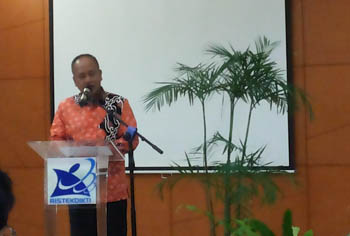
Kemristekdikti Beri Izin 8 PT Buka Prodi Kedokteran Baru

30mar

30marKementerian Riset Teknologi dan Pendidikan Tinggi (Kemristekdikti) menerbitkan izin pembukaan program studi (prodi) kedokteran di 8 perguruan tinggi (PT) di Indonesia. Izin tersebut diberikan khusus untuk daerah yang masih kekurangan tenaga dokter.

“Moratorium prodi kedokteran tidak berlaku di daerah yang kekurangan dokter. Dari 36 PT yang mengajukan, disetujui 8 PT,” kata Menristekdikti, Mohammad Nasir usai penyerahan Surat Keputusan (SK) Prodi Kedokteran kepada 8 PT, di Jakarta, Selasa (29/1).

Nasir mengungkapkan, dari 69 perguruan tinggi yang membuka prodi kedokteran, belum semuanya memiliki mutu dan kualitas yang sesuai harapan. Data Badan Akreditasi Nasional (BAN) PT menunjukkan, hanya 15 prodi kedokteran memiliki akreditasi A, 19 prodi berakreditasi B dan 21 prodi berakreditasi C.

“Dari 69 PT, masih ada 11 PT yang angka kelulusan ujian kompetensi mahasisqa program pendidikan dokter (UKMPPD) dibawah 50 persen. Bahkan ada sejumlah PT yang angka kelulusan UKMPPD sebesar18 persen dan 21 persen,” ujarnya.

Menurut Nasir, prodi kedokteran memiliki spesifikasi yang berbeda dengan prodi lain. Karena mahasiswa kedokteran tidak cukup lulus secara akademis tetapi juga masih diwajibkan pendidikan pra klinis (co-as) dan ujian klinis untuk mendapatkan surat tanda registrasi profesi kedokteran.

“Sekarang sistemnya dibuat lebih ringkas lewat UKMPPD. Lulus ujian tak hanya secara akademik, tapi juga bisa langsung dapat STR untuk praktik,” ujarnya.

Nasir menegaskan, kelulusan dalam Uji Kompetensi Mahasiswa Program Profesi Dokter (UKMPPD) menjadi penting karena hal itu menjadi syarat bagi mahasiswa agar bisa praktik menjadi dokter.

“Jika mahasiswa lulus UKMPPD, ia bukan saja sudah lulus secara akademik tetapi juga memiliki ijazah yang setara dengan Surat Tanda Register (STR) bagi dokter baru yang akan praktik,” katanya.

Menurut Nasir, uji kompetensi tersebut bertujuan untuk memenuhi kualifikasi mahasiswa kedokteran sesuai standar. Dan pada akhirnya meningkatkan kompetensi para sarjana kedokteran di bidang profesinya.

“Dengan adanya UKMPPD, diharapkan prodi kedokteran bisa lebih bertanggungjawab dalam menghasilkan lulusan yang berkompeten sesuai standar kompetensi dokter Indonesia,” ucap Nasir.

Nasir mengingatkan bahwa perguruan tinggi yang mendapatkan ijin prodi kedokteran tidak boleh menerima jumlah mahasiswa melebihi kapasitas. Untuk prodi kedokteran dengan akreditasi C maksimal jumlah mahasiwa 50 orang, akreditasi B maksimal 100 orang dan akreditasi A maksimal 150 orang.

“Jika tidak taat aturan, kami tak segan mencabut izinnya,” kata Nasir.

Adapun 8 perguruan tinggi yang mendapatkan izin prodi kedokteran adalah Universitas Khairun Ternate, Universitas Alauddin Makassar, Universitas Bossowa, Makassar, Universitas Ciputra Surabaya, Universitas Muhammadiyah Surabaya, Universitas Islam Negeri (UIN) Maulana Malik Ibrahim Malang, dan Universitas Wahid Hasyim, Semarang.

Nasir menambahkan, pihaknya juga akan melakukan pembenahan dalam prodi kedokteran, terutama pada penyediaan dosen. Setiap prodi kedokteran minimal harus memiliki dosen tetap sebanyak 18 orang.

“Jika jumlah dosennya kurang, maka kuota penerimaan mahasiswa baru harus dikurangi agar komposisi jumlah mahasiswa dengan dosennya menjadi ideal,” ujarnya.

Menristekdikti juga mengingatkan kalangan perguruan tinggi untuk hanya menerima mahasiswa prodi kedokteran dari lulusan sekolah menengah atas (SMA) jurusan IPA. Hal itu untuk menjaga mutu prodi kedokteran.

“Karena menerima mahasiswa kedokteran dari jurusan IPS itu sama saja buang-buang waktu. Karena siswa tersebut tidak memiliki dasar-dasar ilmu untuk menjadi dokter,” ucap Nasir menegaskan. (TW)


Tuberculosis is still killing continue – Miramar Health News

Tuberculosis surpassed HIV as the leading cause of death from infectious disease in the world in 2014, according to a report released Wednesday by the World Health Organization.

Tuberculosis Caused More Deaths than HIV in 2014

But it’s not because more people are getting infected. Global health officials said on Wednesday that they are able to better track cases to report more accurate numbers. This year, 1 million new cases were reported in Indonesia, significantly revising data from last year, which showed half that number.

Cases also were higher among children than previously thought – nearly double the number reported last year. Data show 140,000 children died from TB and 1 million were infected.

WHO estimates overall totals could be even higher, with nearly 40 percent of cases undiagnosed worldwide.

Still, global health efforts have greatly reduced the incidence of the disease since the 1990s, shows the report, the 20th annual Tuberculosis Report.

TB mortality has fallen by nearly half since 1990, with nearly all improvement taking place since 2000, when the United Nations set Millennium Development Goals for reducing the incidence of the disease. From 2000 to 2014, about 43 million lives were saved because of better diagnosis and treatment.

“We can now begin to imagine the end of tuberculosis,” said Dr. Ariel Pablos-Mendez, assistant administrator for global health at USAID, at a news conference Wednesday held in the District of Columbia at the National Press Club. “We never imagined we would be at this stage.”

TB is caused by airborne bacteria that damage the lungs, resulting in fever and coughing up blood or mucus. It is curable through medication, but easily can be transmitted from one person to another.

Of the new TB cases in 2014, 58 percent were in the Southeast Asia and Western Pacific regions, with India having the largest percentage of cases at 23 percent. The African region had 28 percent of the world’s cases in 2014, but the most severe burden relative to population: 281 cases for every 100,000 people – more than double the global average of 133. More than half of the world’s TB cases (54 percent) occurred in China, India, Indonesia, Nigeria and Pakistan.

Despite advances, TB killed more than 1.5 million people in 2014.

This is slightly higher than HIV’s death toll, estimated at 1.2 million, which included 400,000 deaths among people who had both TB and HIV, which is also treatable, through the use of antiretroviral drugs. People who are HIV-positive are more susceptible to TB because they have a weakened immune system. Worldwide, 9.6 million people contracted TB in 2014, 12 percent of whom were HIV positive.

Dr. Eric Goosby, United Nations special envoy on TB, called for more funding so that global health officials could reach their goals to reduce TB deaths by 90 percent and TB cases by 80 percent by 2030.

To do so, the report says, better detection systems need to be in place and tools developed to better diagnose people, and a vaccine should be developed. This will require more funding. WHO estimated a funding gap of $1.4 billion for interventions in 2015. For research, WHO estimates it is short $1.3 billion.

Dr. Mario Raviglione, director for WHO’s global TB program, noted during the news conference that the U.S. had given the highest investment to combating TB. “Despite the gains, the progress is far from sufficient,” he said.

Even with adequate investment, the world faces another looming threat: TB that has become resistant to the drugs used to treat it. The WHO report noted that about half of people who are infected with this type are effectively treated.

TB Is Now The Top Infectious Killer (Even Though Deaths Are Down)

Tuberculosis is now killing more people each year than HIV, according to new data from the World Health Organization.

WHO estimates there were almost 10 million new cases of TB last year; the disease caused 1.5 million deaths. By comparison, 1.2 million lives were claimed by HIV.

That makes TB the number one infectious killer.

But dig into the numbers and you’ll find some surprises. TB deaths have actually been going down in recent years. The number of deaths from the disease each year has dropped by nearly half since 1990.

HIV deaths, however, are falling far faster.

And these death numbers are a bit complicated. Some 400,000 fatalities were double-counted — included under each disease — because the deceased had both infections.

There’s another TB statistic that’s particularly worrisome. The new report estimates that there were roughly half a million cases of multi-drug resistant TB last year, double the number from the year 2000. Conventional antibiotics can’t cure MDR-TB. Treatment can take 2 years or more with drugs that cause severe side-effects; some patients are left completely deaf.

“MDR-TB is rampant in some parts of the world such as the former Soviet Union, where up to a third of all [TB] cases are MDR,” says Dr. Mario Raviglione, the director of WHO’s global TB program. “Something is not going well there.”

Much of the rise in regular TB cases is the result of new diagnostic tools that make the disease far easier to diagnose and of better reporting. Those are the reasons behind an increase of hundreds of thousands of “new” cases from Indonesia and India. Indonesia’s reported incidents of TB doubled last year to 1 million cases. India’s tally was up 29 percent.

Maria Carmen Castro, 46, of Lima, Peru, is a survivor of MDR-TB — multidrug-resistant tuberculosis. Partners In Health treated her and loaned her money to open a small store. “Because of my TB and thanks to God and Partners In Health, now I have my own business,” she says.
GOATS AND SODA
TB Patients That The World Writes Off Are Getting Cured In Peru
Jenny Tenorio Gallegos, 35, in Lima, Peru, is being treated for drug-resistant TB. The treatment lasts two years and may rob her of her hearing.
GOATS AND SODA
She’s Got One Of The Toughest Diseases To Cure. And She’s Hopeful
So public health officials are worried. Progress against TB is not moving as fast as progress against some other diseases — and not as fast as they’d like.

“The number of deaths caused by TB and HIV are pretty similar,” says Raviglione. But he says TB doesn’t attract nearly the funding for research or treatment that goes to HIV.

According to data gathered by WHO, roughly $6.6 billion was spent fighting TB last year compared to $20.2 billion invested to fight HIV/AIDS in low- and middle-income countries.

“Our point is that we should have the same type of investment going to TB and as of yet that hasn’t been achieved,” Raviglione says.

Patient advocates are not as diplomatic.

“We’re in this dire situation because the vigorous community response, massive research effort and political leadership that distinguished the response to HIV are utterly absent from TB,” said Mark Harrington, executive director of Treatment Action Group, in a statement.

Raviglione stresses that the world neglects TB at its peril: “After all it’s airborne and can spread fairly easily.”

Global fight against TB advancing, but disease still a leading cause of death

The global fight against tuberculosis is advancing, with this year’s death rate nearly half of what it was in 1990. However, the disease is still a public health concern, ranking alongside HIV/AIDS as a major cause of global death, according to the World Health Organization.

The WHO released the Global Tuberculosis Report 2015 on Wednesday, giving a snapshot of how far the international health community has come in combating TB.

According to the report, close to 1.5 million people died from TB in 2014. By comparison, HIV’s death toll in 2014 was estimated at 1.2 million, according to the WHO.

The report found that most of the gains in combating TB have come since 2000, the year the UN’s Millennium Development Goals were established.

Between 2000 and 2015, effective diagnosis and treatment of TB resulted in 43 million lives saved, the report says. Globally, TB incidence has fallen 1.5 per cent per year since 2000, equalling a total reduction of 18 per cent.

But despite these advances, TB continues to be a major cause of death, says Dr. Mario Raviglione, director of WHO’s Global TB Programme.

“We are still facing a burden of 4,400 people dying every day, which is unacceptable in an era when you can diagnose and cure nearly every person with TB,” he said in a statement.

TB is an infectious disease caused by mycobacterium. The disease typically effects the lungs, and is spread through the air when infected patients transmit bodily fluids from their throat and lungs through coughing or sneezing.

Symptoms of active TB include a chronic cough, chest pains, weakness, fever, night sweats and weight loss. The disease is treatable with a course of antibiotics, however, if left untreated it can result in death.

This year’s report found the global total for new TB cases to be 9.6 million cases. This is higher than in previous years, but it may reflect improvements in data collection rather than an actual increase, the WHO said.

Addressing treatment gaps and multi-drug resistant TB
The report shows the need to improve TB detection, close “treatment gaps,” boost funding, and develop new drugs and vaccines, the WHO said.

Detection in particular remains a problem, with the WHO finding that about 37.5 per cent of the new TB cases in 2014 went undiagnosed or were not reported to national authorities.

This is especially serious for patients with multidrug-resistant TB (MDR-TB). The WHO estimates that 3.3 per cent of the new patients have MDR-TB, a level that has not changed over the years. MDR-TB is a form of TB infection caused by bacteria that are resistant to common drug treatments.

“Detection and treatment gaps are especially serious among people with MDR-TB, which remains a public health crisis,” the WHO said in a statement. “Of the 480, 000 cases estimated to have occurred in 2014, only about a quarter – 123 000 – were detected and reported to national authorities.”

The WHO report found that fewer people were diagnosed with MDR-TB globally in 2014 than in 2013, although the total estimated number of people who developed MDR-TB remained the same.

The WHO said 43 countries reported cure rates for MDR-TB patients of more than 75 per cent. However, global data shows an average cure rate of only 50 per cent for treated MDR-TB patients.

Dr. Grania Brigden, interim medical director from Doctors Without Borders Access Campaign, said the overall picture is “disheartening,” and is particularly bleak when it comes to MDR-TB.

“We’re losing ground in the battle to control drug-resistant forms of TB, and without considerable corrective action, the vast majority of people with MDR-TB won’t ever be diagnosed, put on treatment, or cured,” she said.
“Drug-resistant forms of TB will continue to spread unless the gap is narrowed between people with undiagnosed TB disease and people who are diagnosed.”

Brigden called for a widespread rollout of existing rapid tests and drug-resistance testing.

The WHO said that in 2016, the global community’s goal will shift from controlling TB to ending the epidemic. Its “End TB Strategy,” adopted by all WHO member states, will aim to reduce TB incidence by 80 per cent and TB deaths by 90 per cent by 2030.

source: http://www.albanydailystar.com/

 

Peserta Melonjak Tinggi, Alasan BPJS Kesehatan Naik

Pemerintah berencana untuk menaikkan iuran Badan Penyelenggara Jaminan Kesehatan (BPJS) Kesehatan mulai 1 April. Hal ini dilakukan lantaran BPJS Kesehatan mengalami kerugian yang cukup besar.

Kepala Pusat Pembiayaan dan Jaminan Kesehatan Kementerian Kesehatan, Donald Pardede, mengatakan dahulu Indonesia tidak memiliki sistem yang baik seperti BPJS Kesehatan. Oleh karena itu, banyak masyarakat tidak mampu sulit untuk mendapatkan pelayanan kesehatan.

“Ini yang harus kita bayar dalam lima sampai 10 tahun mendatang. Karena mereka baru keluar sekarang kan,” kata dia di iNews, Senin (28/3/2016).

Dia melanjutkan, defisit yang terjadi di BPJS Kesehatan adalah bukti bahwa minat masyarakat akan pelayanan lebih besar dari target. “Pertumbuhan peserta leih besar dari target. Pertama kita targetkan 120 juta, lalu ini kan jauh melebihi sampai 134 juta,” tambah dia.

Sekadar informasi, penerapan tarif baru BPJS Kesehatan yang mulai diberlakukan terhitung pada1 April mendatang.

Hal ini sesuai dengan peraturan yang baru diterbitkan, Perpres 19 Tahun 2016 akhir pekan lalu. Pada perubahan kedua Perpres 12 Tahun 2013 mengenai Jaminan Kesehatan diketahui iuran untuk kelas I, II dan III, seluruhnya mengalami peningkatan.

Perubahan nilai iuran terjadi pada seluruh tarif BPJS Kesehatan. Namun, nominal kenaikan iuran di kelas I, II dan III mengalami perbedaan. Artinya, seluruh peserta BPJS yang merupakan kepesertaan mandiri dan perusahaan akan menyesuaikannya pada bulan depan.

sumber: http://economy.okezone.com

GHSA 2016: Kuatkan Kapasitas Negara Hadapi Ancaman Pandemi Penyakit

28mar

28marMenteri Kesehatan (Menkes) Nila Moeloek mengajak negara peserta Global Health Security Agenda (GHSA) untuk meningkatkan kapasitas negara masing-masing dalam menghadapi kemungkinan ancaman pandemi penyakit, sebagai dampak dari globalisasi.

“Dampak dari globalisasi, masalah kesehatan suatu negara dapat menyebar ke negara lain dengan cepat. Untuk itu, masing-masing diminta untuk meningkatkan kewaspadaan nasionalnya,” kata Nila FA Moeloek saat membuka pertemuan internasional GHSA 2016, di Jakarta, Senin (28/3).

Pernyataan itu disampaikan Menkes Nila FA Moeloek, karena tahun ini Indonesia didaulat sebagai Ketua Troika GHSA 2016. Selain juga menjadi lead country untuk Action Package Zoonotic Diseases dan Contributing Country untuk Linking Public Health with Law & Multisectoral Rapid Response.

“Indonesia terpilih sebagai pemimpin GHSA tahun ini karena dianggap baik dalam pengendalian zoonosis secara multisektor,” ujar Nila.

Ditambahkan, Indonesia menjadi contributing country untuk Action Package Anti Microbial Resistance (AMR) yang saat ini merupakan isu penting secara global dan nasional. Tindakan yang akan dilakukan adalah Action Package Real-Time Surveillace, karena surveilans merupakan pintu masuk untuk pertukaran data yang sangat penting.

Untuk itu, lanjut Nila Moeloek, implementasi International Health Regulation (IHR) 2005 di tiap negara harus ditingkatkan guna menghadapi kemungkinan pandemi. Tercatat beberapa penyakit menular yang menyebar hampir ke seluruh dunia.

Disebutkan antara lain, virus Sars pada 2002, virus influenza tipe A (H1N1) pada 2009, Ebola pada 2014, Mers CoV pada 2015 hingga vurus Zika pada 2016.

“Sejak diluncurkan IHR 2005, belum banyak negara yang mengimplementasikannya. Padahal pandemi penyakit menular terjadi setiap tahun,” kata Menkes.

Menkes menuturkan, Indonesia baru mengimplementasi IHR 2005 mulai 2007. Lalu dilakukan self-assessment pada 2012, dan pada 2014, Indonesia diakui telah melaksanakan IHR 2005 secara lengkap.

“Perkembangan ini mendorong beberapa negara di dunia termasuk Indonesia, Amerika Serikat dan Finlandia untuk melakukan suatu bentuk kolaborasi multilateral melalui Global Health Security Agenda (GHSA) sejak 2014, guna memperkuat IHR 2005,” ucap Nila Moeloek menegaskan.

Dalam konteks kesiapan penanganan pandemi, dibutuhkan tingkat pemahaman yang sama dan kapasitas implementasi yang setara pada tiap negara. Pengembangan dan pelaksanaan GHSA dimaksudkan untuk meningkatkan kemampuan atau kapasitas negara-negara di dunia dalam mencegah dan mengendalikan penyakit menular berpotensi wabah.

Dijelaskan tujuan dari GHSA terdiri dari 3 kelompok besar, yaitu pencegahan outbreak/epidemi yang bersifat pencegahan, deteksi dini ancaman kesehatan dan keamanan, dan respon secara cepat dan efektif.

“Dalam mencapai tujuan besar itu, forum GHSA melakukan identifikasi terhadap 11 paket kegiatan untuk dilaksanakan negara anggota GHSA,” tuturnya.

Disebutkan 11 Action Package itu adalah pencegahan pada Anti Microbial Resistance (AMR), penyakit zoonosis, biosafety dan biosecurity, serta Imunisasi. Selain itu ada
Detekai sistem laboratorium nasional, real-time surveillance, pelaporan dan workforce development.

Untuk respon, ditambahkan, kegiatan yang dilakukan meliputi Emergency Operations Centers, Linking Public Health with Law & Multisectoral Rapid Response, dan Medical countermeasures and personnel deployment.

Menkes menegaskan, kegiatan dalam GHSA itu tidak mungkin hanya dilakukan Kementerian Kesehatan, tetapi juga harus melibatkan seluruh sektor dan unsur masyarakat.

“Untuk itu, kita mengenai konsep One Health, di mana kesehatan dilihat sebagai konsep yang terintegrasi antara kesehatan manusia dengan kesehatan hewan,” kata Menkes menandaskan. (TW)

{jcomments on}

Water Failures Are Putting the World’s Health at Risk

Christine Sow is President and Executive Director of Global Health Council, and Susan Barnett is Founder of Faiths for Safe Water.

‘This is not an expensive, high-tech problem; it’s a problem of prioritization’

The world reacted in horror and indignation this week when a reporter posted a photo of a Syrian woman forced to bath her 20-day-old newborn in a puddle in a refugee camp on the Greek-Macedonian border. The plight of this family is clearly unacceptable; lacking access to a safe water source puts every family member at risk, but especially the children. Today is World Water Day, but for much of the world, you wouldn’t know it.

There are 663 million people around the world live without access to safe water. And about 2.2 billion people—one sixth of the world’s population—live without the dignity and safety of adequate sanitation. Many are trapped in the cycle of poverty, and without water and sanitation, there is no way out.

Even more surprising, healthcare institutions fair little better. In the U.S. we take for granted that an expectant mother will be admitted to a hospital with running water and sanitation. However, a report published last year by the World Health Organization revealed that almost 40% of healthcare facilities around the world do not have access to safe water and almost 20% do not have even basic sanitation.

This wide-reaching study looked at 54 low- and middle-income countries, and found that even soap for hand-washing, one of the most effective and cost-effective ways to prevent infection, was absent from more than one-third of the facilities. The study’s authors note that this “lack of services compromises the ability to provide basic, routine services, and compromises the ability to prevent and control infections.” The direct and dire consequences of these conditions were clearly seen during the recent Ebola crisis in West Africa, where the high mortality toll of the disease among health workers has been attributed in part to the lack of adequate water sources and sanitation in healthcare facilities.

Ebola is not a highly contagious disease; it can only be spread by direct contact with infected bodily fluids. However health workers were obliged to work in inhuman conditions where they routinely came in contact with infectious matter and were unable to properly protect and disinfect themselves, their gear, or their physical surroundings. It is estimated that nearly 1 in 12 health workers in Liberia died during the epidemic. The loss of doctors, nurses and midwives was tragic, and it has led to a deadly ripple effect on the health of the population, especially mothers and children. Maternal mortality was estimated to have increased by 111% in Liberia and child mortality by 28% across the three Ebola-hit countries.

The ongoing cholera crisis in Haiti is another example of how the lack of adequate water supplies has led to a deadly water-borne disease traveling across borders to infect a population where it had not been seen for more than 100 years. It’s estimated that 8,600 Haitians have died of cholera, brought into Haiti by U.N. peacekeepers from Nepal. Litigation is ongoing around the responsibility of the UN to have prevented this senseless tragedy.

In 2014, during the Haiti cholera crisis and before Ebola became a household name, President Barack Obama launched the Global Health Security Agenda as a partnership of international organizations, non-governmental organizations and some 50 nations, to strengthen the capacity to prevent, detect and rapidly respond to infectious disease threats. The administration’s recognition of the global threat posed by infectious disease was timely but has fallen short in addressing the root causes of the spread of infectious disease.

The agenda focuses on strengthening laboratory capacity, surveillance systems and global cooperation in order to ensure health security. All good ideas, however a provision for basic water and sanitation within health facilities and communities does not explicitly appear in any of the its 11 “action packages.” The absence of this basic component represents a significant missed opportunity to rally global leaders and policymakers around this immediate—and obvious—need. To put a further point on it, in a recent WHO survey, only 21 out of 86 countries surveyed report having a plan in place to install safe drinking water and sanitation in their health facilities.

This situation is made all the more infuriating because unlike so many crises facing our planet, the lack of access to safe water, soap and sanitation, is solvable. Basic, sustainable, cost-effective approaches abound. This is not an expensive, high-tech problem; it’s a problem of prioritization.

Every global health and development policy and piece of legislation must contain provisions for sustainable water and sanitation. Anything less is a plan that is guaranteed to fall short of its goals. At a time of tight budgets, it’s smart, logical and cost-effective. But it’s also a matter of who lives, and who dies, and who is forced to bath her newborn baby in a mud puddle.

source: http://time.com/


Indonesia Kekurangan Dosen Ilmu Kesehatan yang Memadai

Sebanyak 36 ribu dosen bidang Ilmu Kesehatan ternyata belum meraih gelar S2. Padahal untuk mengajar mahasiswa selama ini pemerintah mewajibkan gelar pendidikan strata dua tersebut.
Menurut Dirjen Kelembagaan Ilmu Pengetahuan, Teknologi dan Pendidikan Tinggi Kemenristek Dikti, Patdono Suwignjo, bahkan untuk Ilmu Kesehatan, masih ada dosen yang hanya memiliki gelar pendidikan D3.

“Konsekuensinya kalau belum mendapatkan gelar S2 maka akan dipensiunkan dan tunjangan sertifikasi akan dihentikan,” kata Patdono saat melakukan visitasi di Surabaya, Jumat 25 Maret 2016.

Meskipun demikian, kebijakan memberikan sanksi tersebut belum akan diterapkan dalam waktu dekat. Alasannya saat ini, jumlah penyelenggara program magister di bidang kesehatan juga masih terbatas.

Namun, menurut Patdono pemerintah tetap akan memfasilitasi dosen-dosen yang ingin mendapatkan sertifikasi S2. Caranya dengan membuka lebih banyak program magister.

“Program magister ini bisa meliputi Ilmu Keperawatan maupun Ilmu Kebidanan,” lanjutnya.

Dengan pembukaan program semacam itu, Patdono berharap akan terjadi percepatan pada kalangan dosen yang belum bersertifikasi S2.

“Karena ini memang dalam rangka menyesuaikan dengan masa transisi amanat Undang-Undang Guru dan Dosen Tahun 2005 yang menyebutkan dosen minimal harus S2,” kata Pratdono.

sumber: http://nasional.news.viva.co.id/


World Health Organization: Birth defects in Brazil could top 2,500

If current trends continue in the Zika virus outbreak, and ‘if this pattern is confirmed beyond Latin America and the Caribbean, the world will face a severe public health crisis,’ the health organization’s director-general says.

The World Health Organization said Tuesday that it expects Brazil will have more than 2,500 babies born with a severe birth defect known as microcephaly if current trends continue in the Zika virus outbreak.

Data from Brazil, the epicenter of an epidemic that has hit more than three dozen countries and territories in the Americas, show that about 39 percent of 2,212 investigated cases of microcephaly are already confirmed for the rare congenital condition. To date, that’s 863 babies born with the characteristic abnormally small heads and underdeveloped brains, WHO detailed at a news conference in Geneva.

“If that rate continues, we expect more than 2,500 cases will emerge of babies with brain damage and clinical signs of microcephaly,” said Anthony Costello, who heads WHO’s department of maternal, newborn, child and adolescent health.

WHO Director-General Margaret Chan said new evidence is becoming clear daily about the mosquito-borne virus. A pattern seems to be emerging: Initial detection of Zika is followed within about three weeks by an unusual increase of Guillain-Barré syndrome, a rare condition that can cause paralysis and sometimes death. Detection of microcephaly and other fetal abnormalities typically comes about six months later, WHO officials said, as pregnancies of infected women come to term.

Brazil and Panama are now reporting cases of microcephaly – including 6,480 suspected cases in Brazil. Panama has one reported case. Colombia is investigating many cases for a possible link. A WHO team is currently in Cape Verde to investigate that country’s first reported case of microcephaly, Chan said.

A total of 12 countries and territories have now seen an increase in the incidence of Guillain-Barré or actual lab confirmation of Zika among cases with the syndrome, she said.

Although Zika has hit countries in Latin America and the Caribbean the hardest, Chan warned that no one can predict if it will spread to other parts of the world and trigger the same pattern of health complications. In other affected countries, the virus has not been circulating long enough for pregnancies to come to term, she said.

“If this pattern is confirmed beyond Latin America and the Caribbean, the world will face a severe public health crisis,” she said. Chan said the Zika virus initially looked “reassuringly mild,” with no hospitalizations or deaths reported when it first showed up in Brazil last May.

But in less than a year, she said, “the status of Zika has changed from a mild medical curiosity to a disease with severe public health implications.” The possibility that a mosquito bite could be linked to severe fetal abnormalities “alarmed the public and astonished scientists,” she said.

source: http://www.pressherald.com/